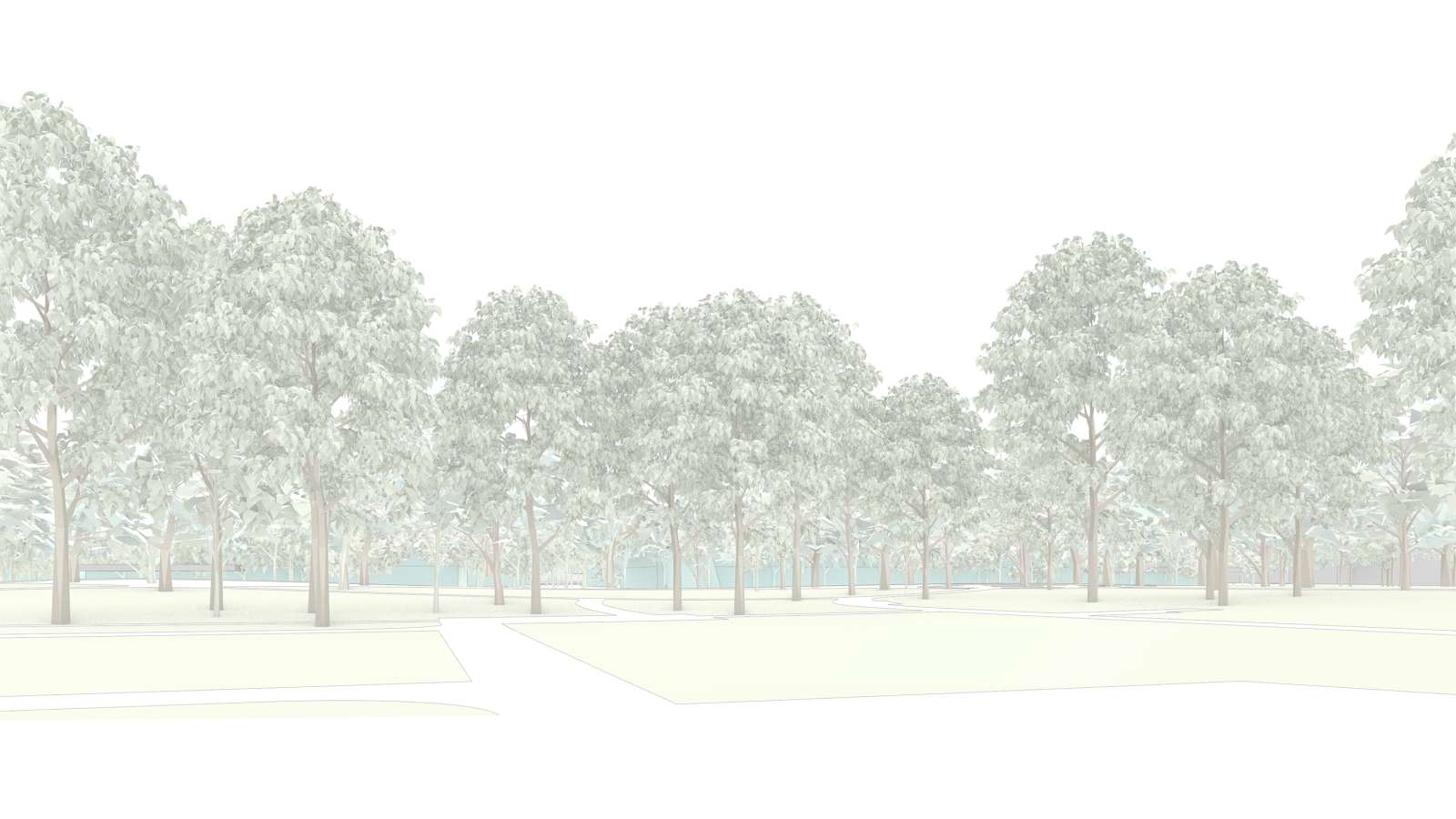
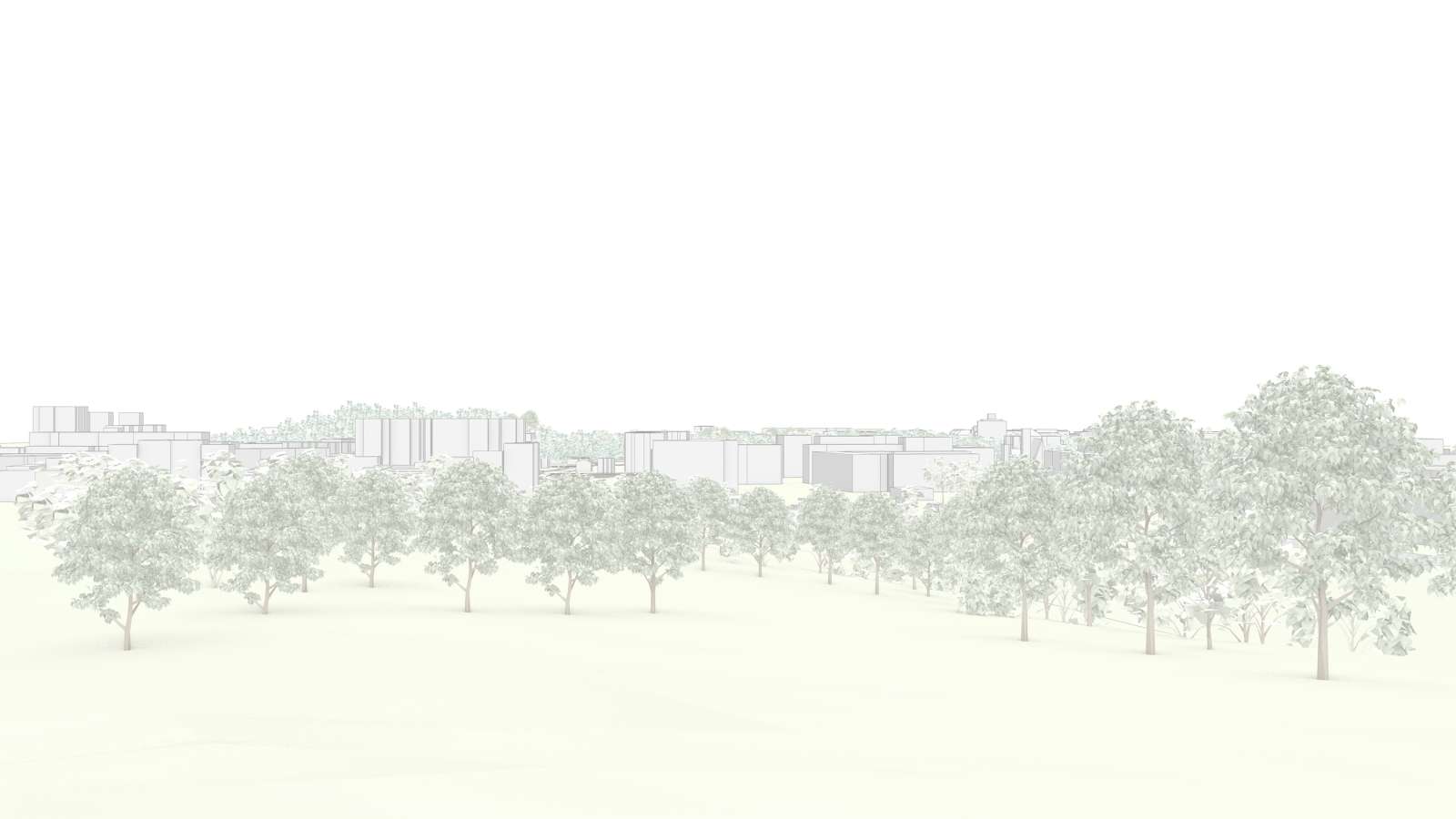
The study presents two conceptual scenarios that emerged from a wide range of options during an intensive planning process. While they differ significantly in their urban planning approaches, they share key guiding principles. As comparative scenarios, they are not intended to finalize a design, but rather to serve as a solid foundation for further discussion and the next steps in the planning process.
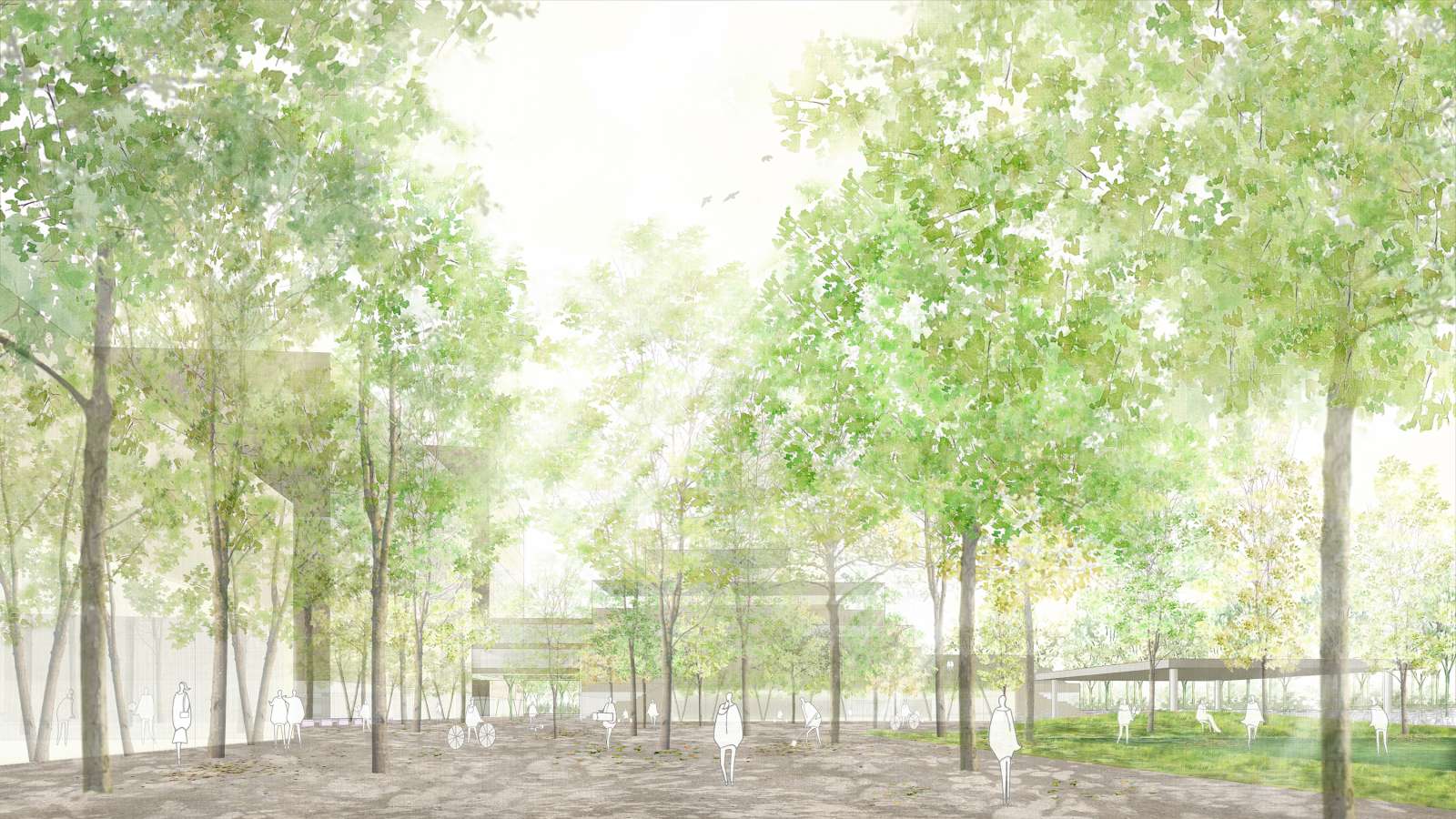
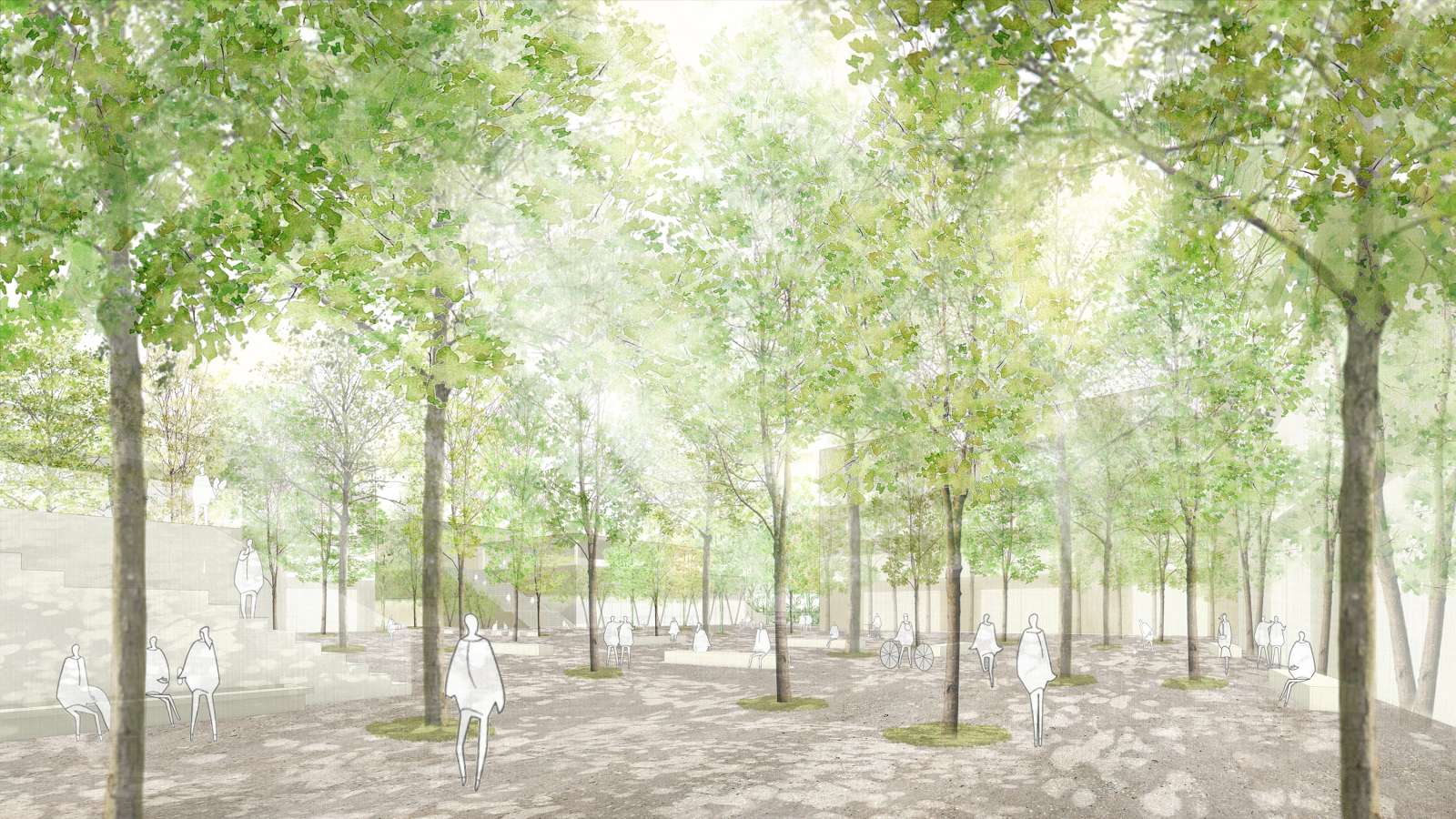
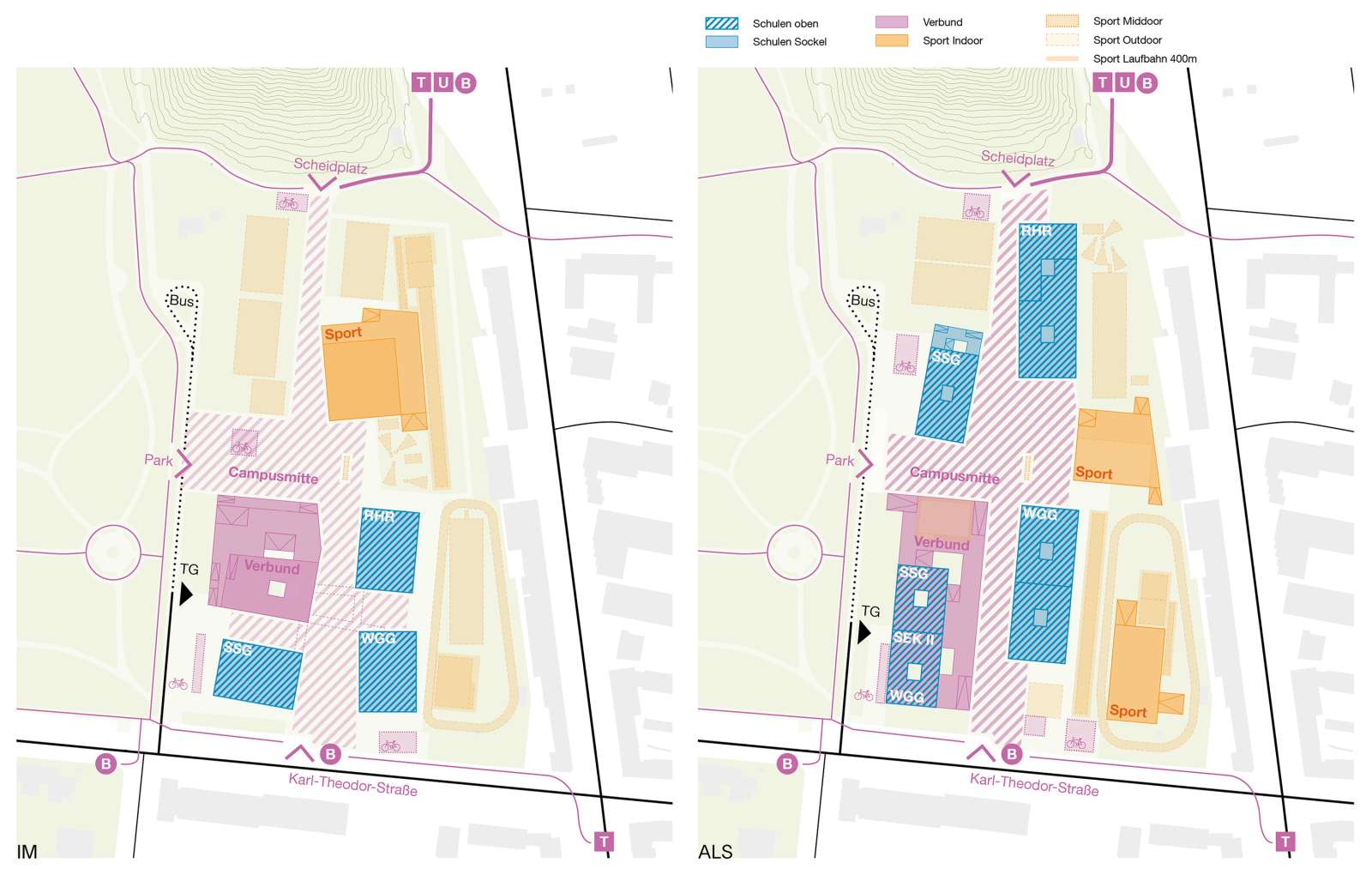
Both concepts envision the school campus as an urban yet green neighborhood with a clear center and a strong connection to the adjacent park. A varied open-space structure creates a multi-layered public realm—ranging from individual school areas to shared communal spaces and open urban spaces. Given the existing residential development to the east, the site opens up specifically to the north toward Luitpoldhügel and Scheidplatz, to the west toward the park, and to the south toward Karl-Theodor-Straße.
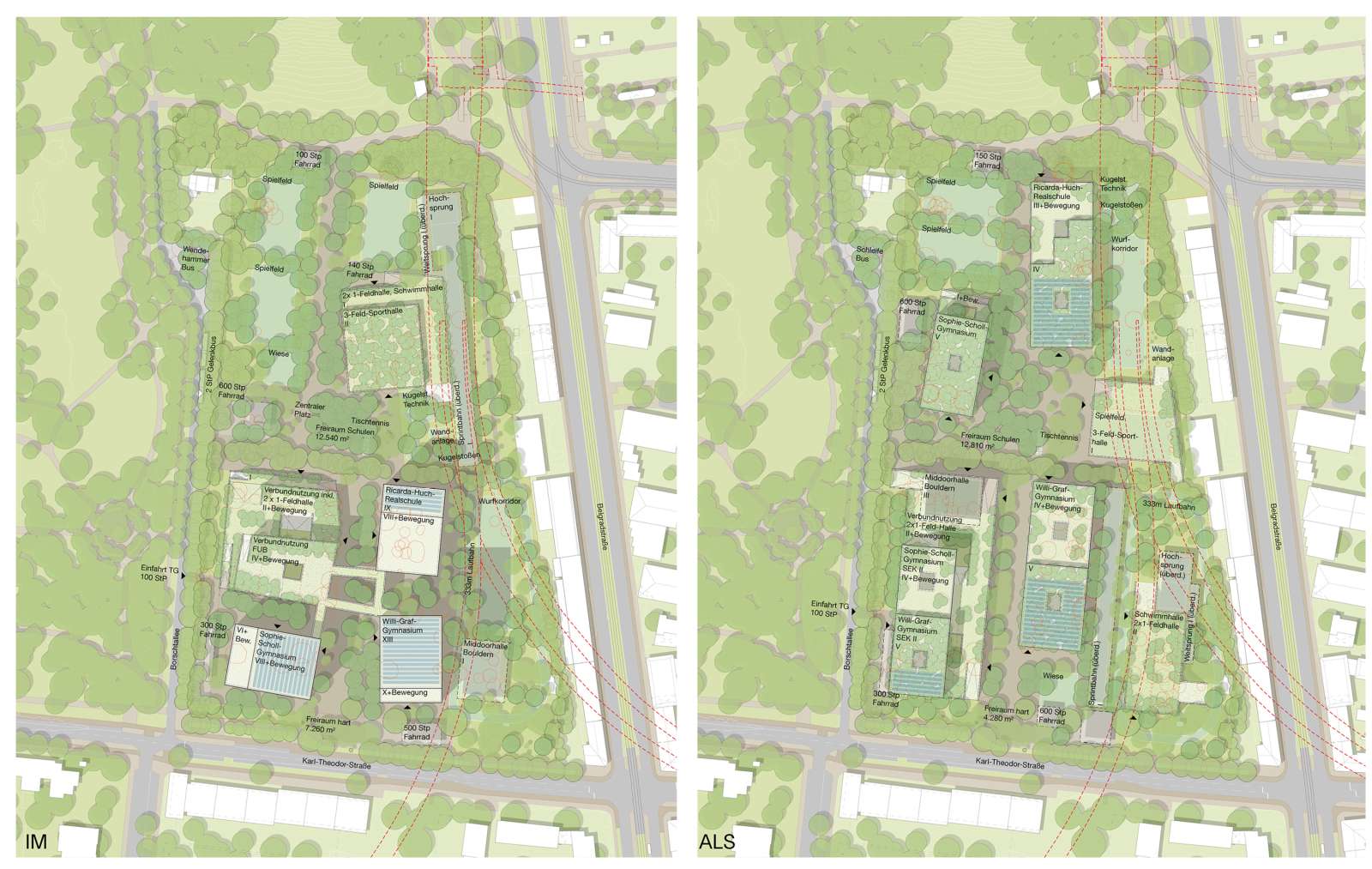
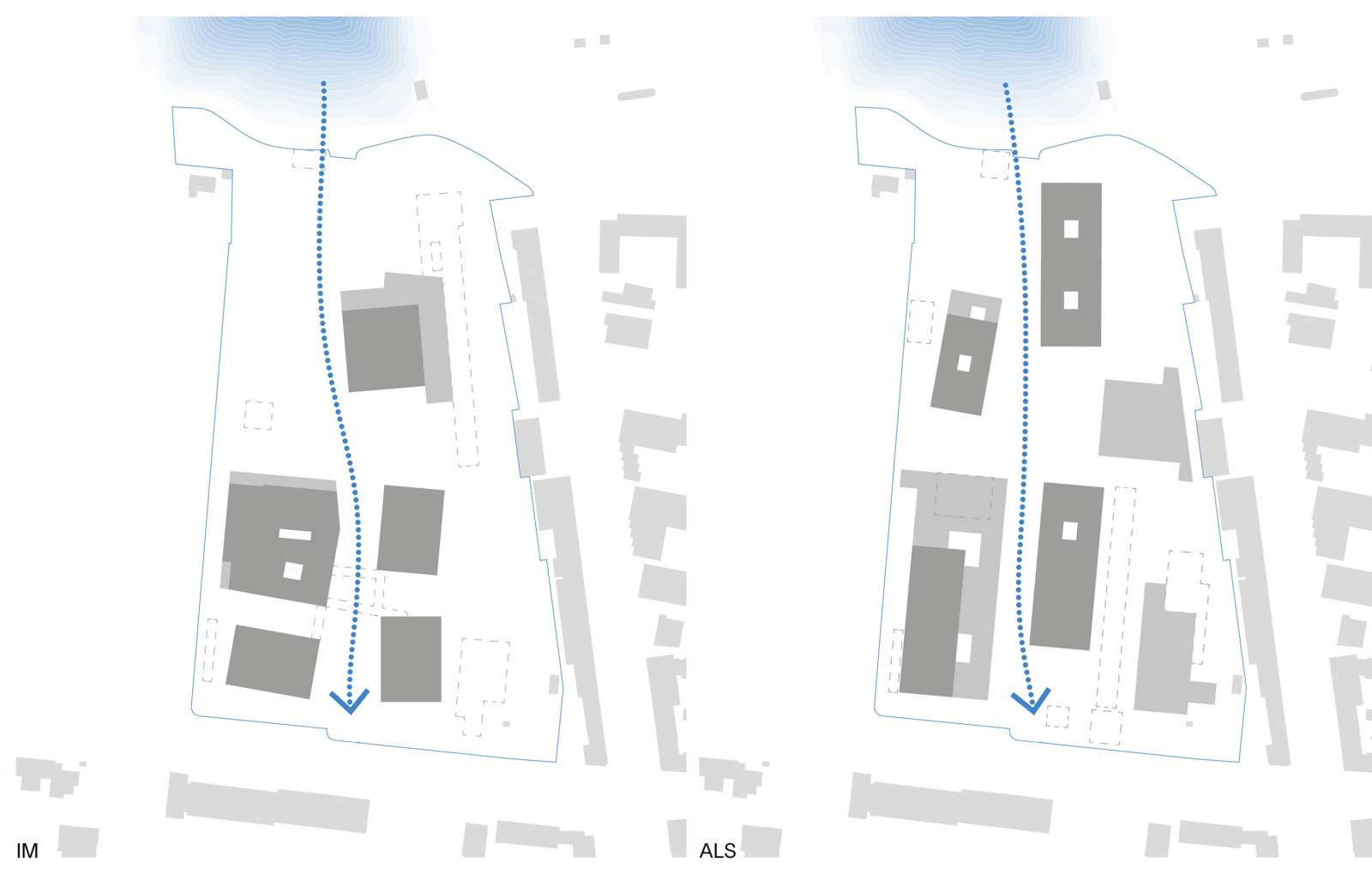
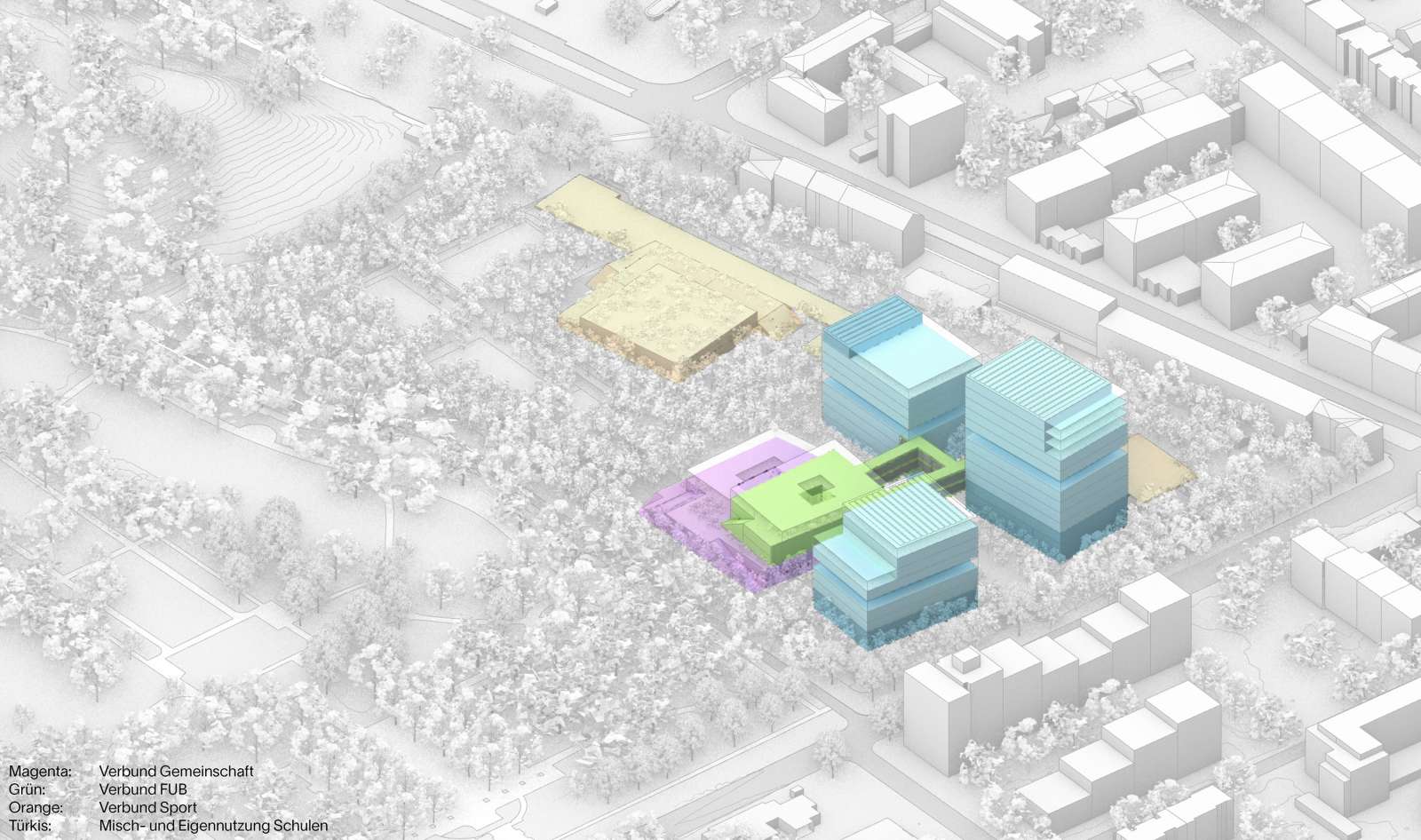
In both approaches, the distribution of uses follows a common principle: the school’s internal functions are assigned to separate buildings, while shared functions are concentrated in a central campus building, which also serves as an interface with the public. The urban structure also incorporates the underground subway lines and the cold air currents flowing in from the north.
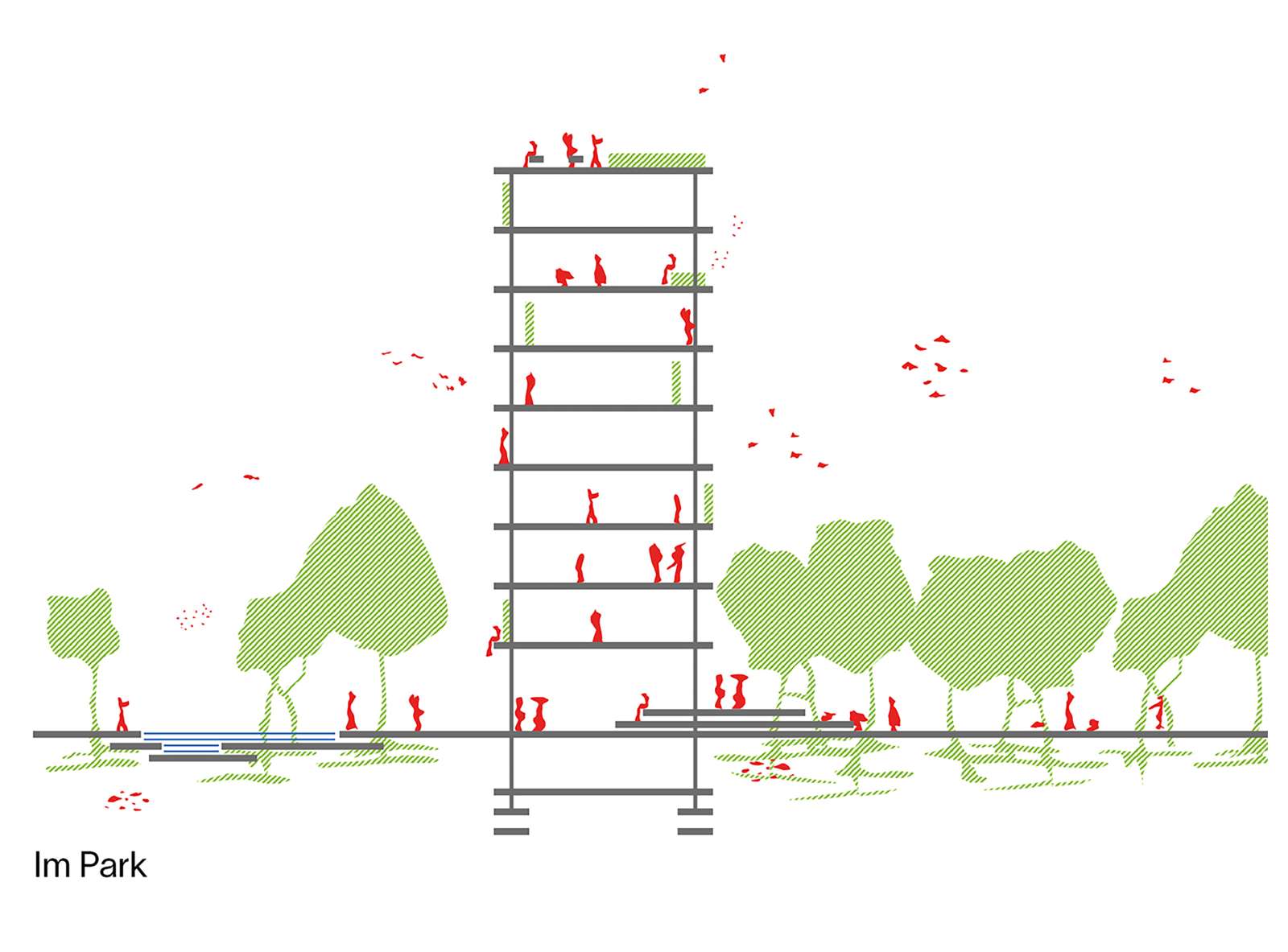
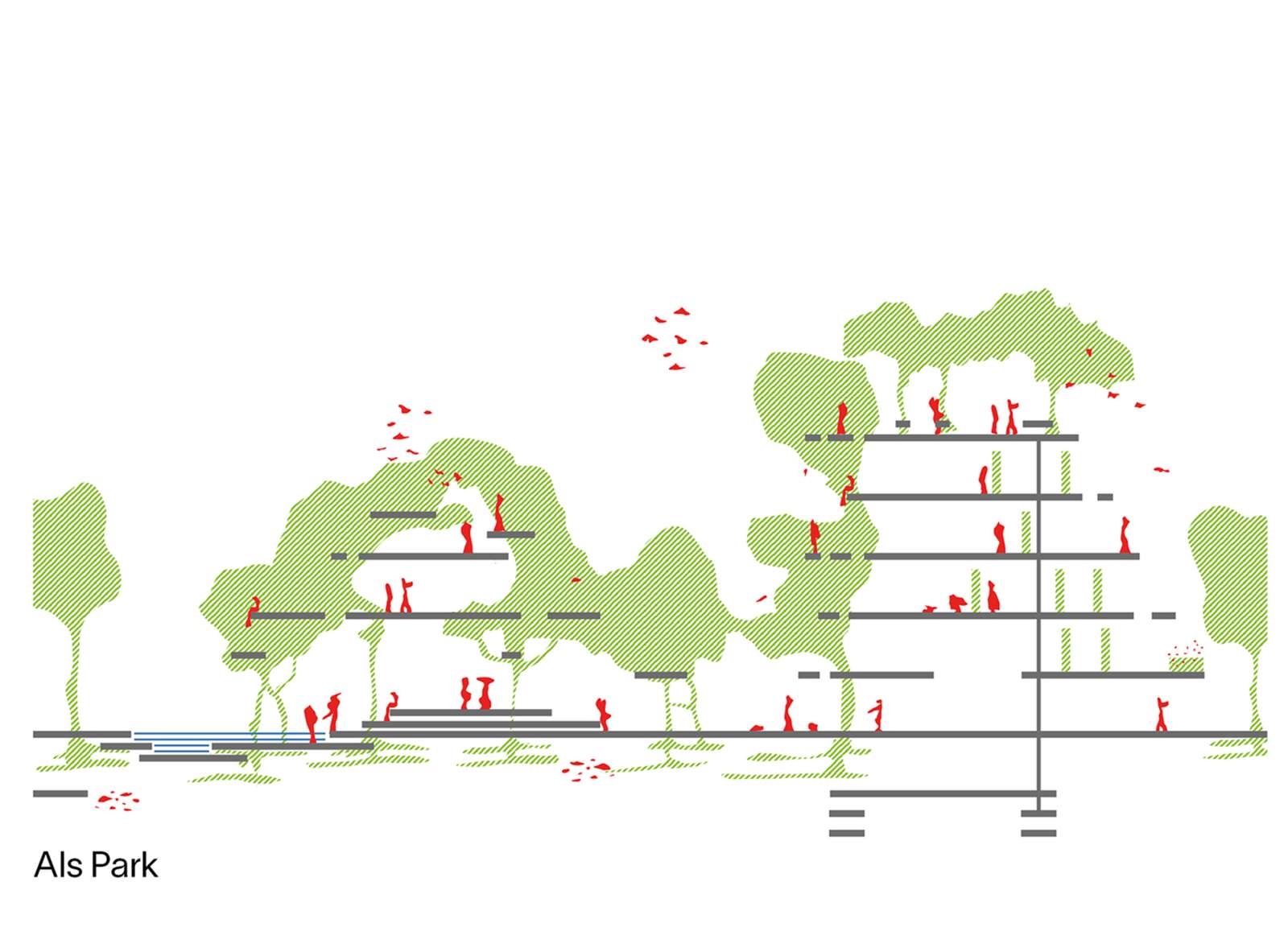
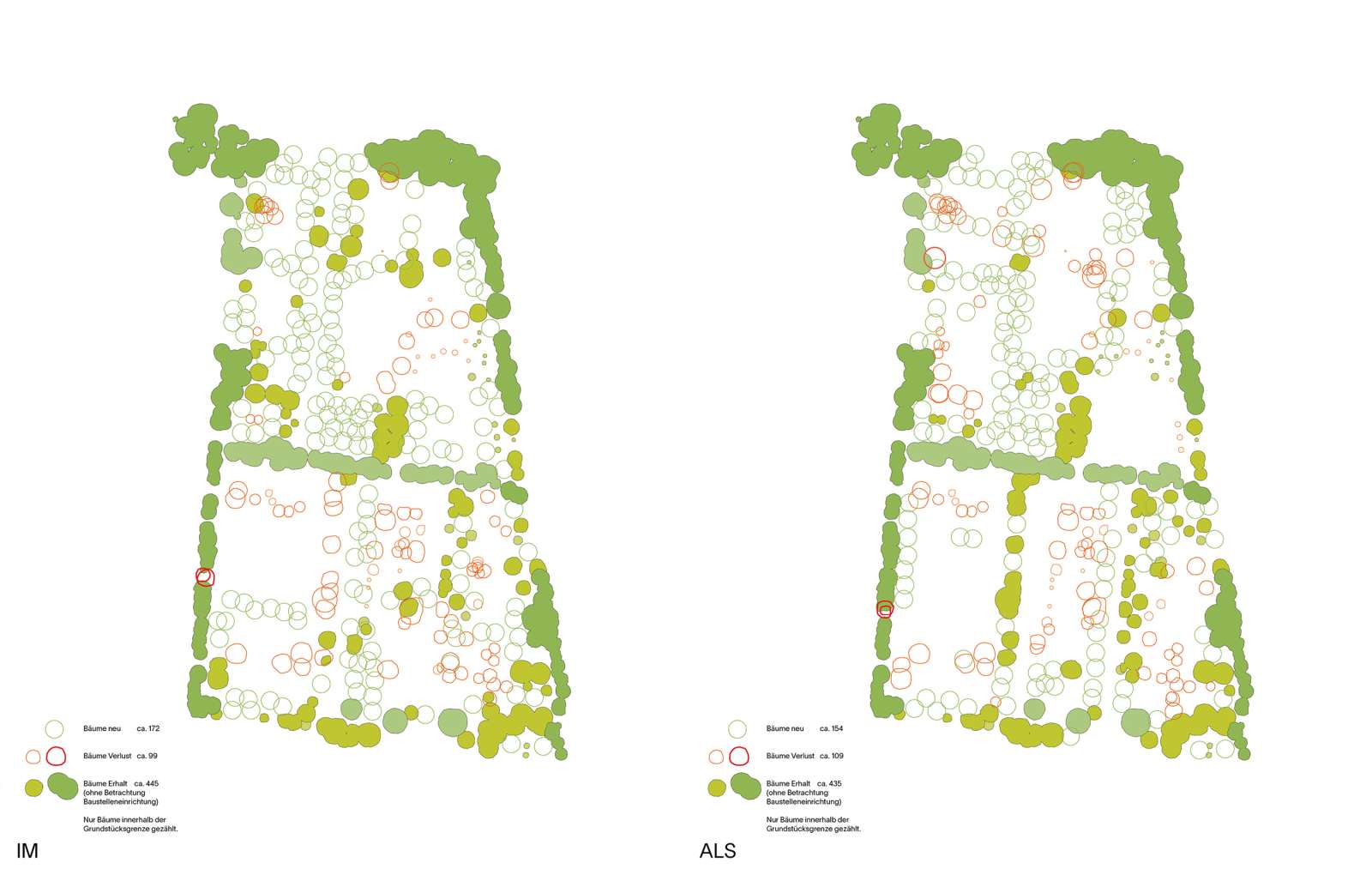
Both concepts aim to create additional building volume while simultaneously increasing the proportion of green space. However, they offer different answers to the central question of the relationship between development and park: the educational campus IN a park or AS a park?
Project
Luitpoldpark School Campus
What
Urban Development Plan
Where
Munich, GER
When
2023
Luitpoldpark School Campus
What
Urban Development Plan
Where
Munich, GER
When
2023
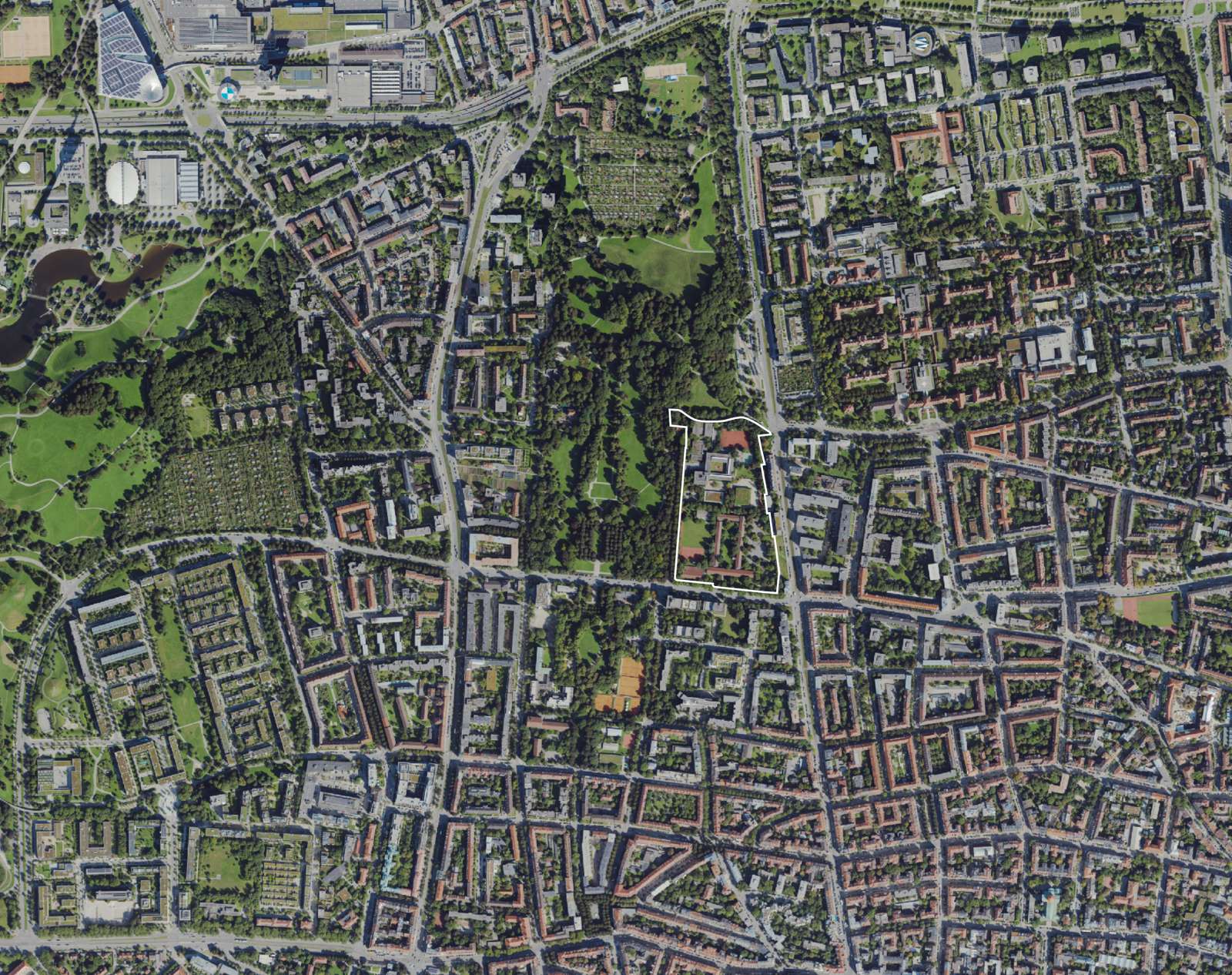
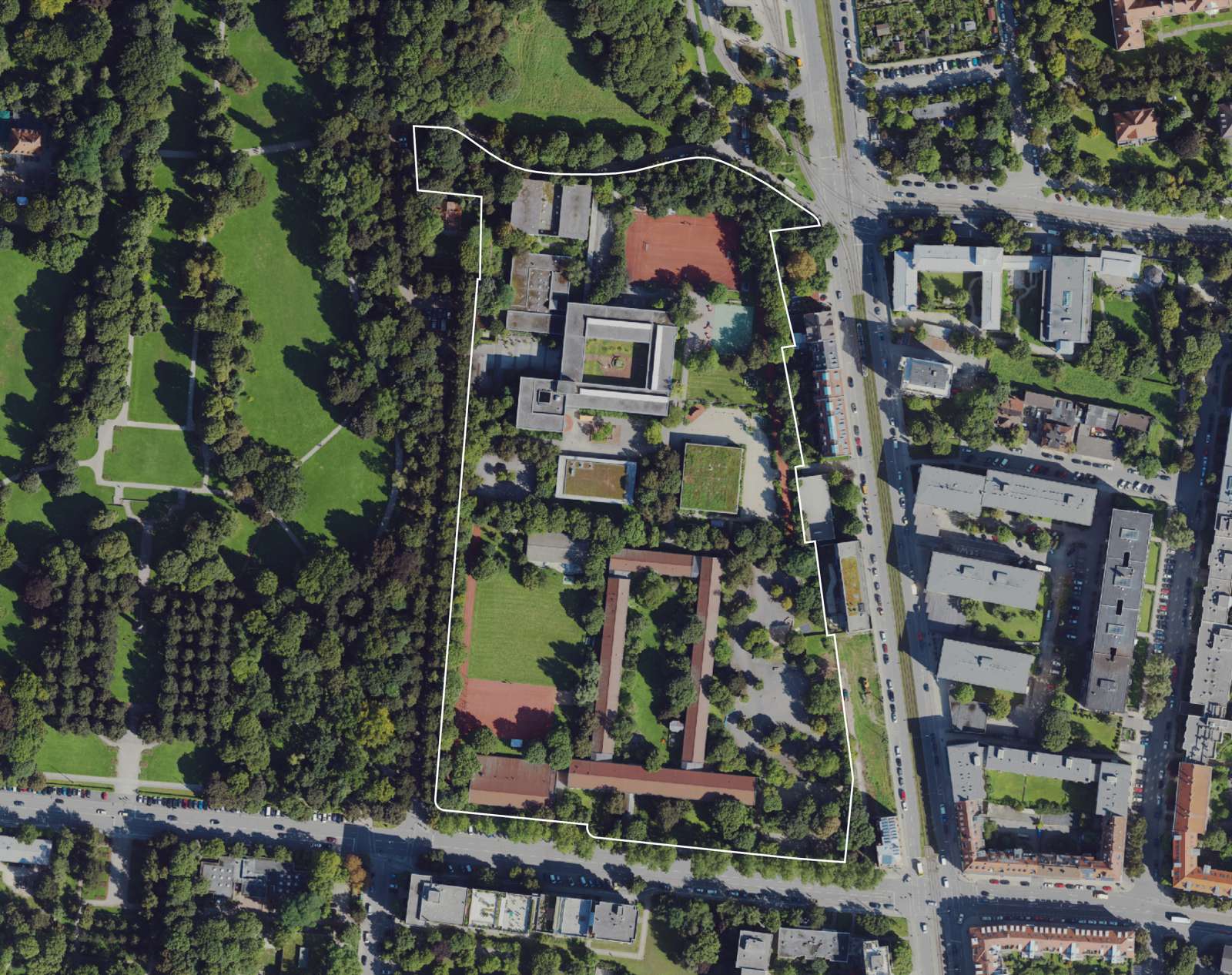
Aerial photo: Luitpoldpark and the surrounding area
Aerial photo: Luitpoldpark and the surrounding area
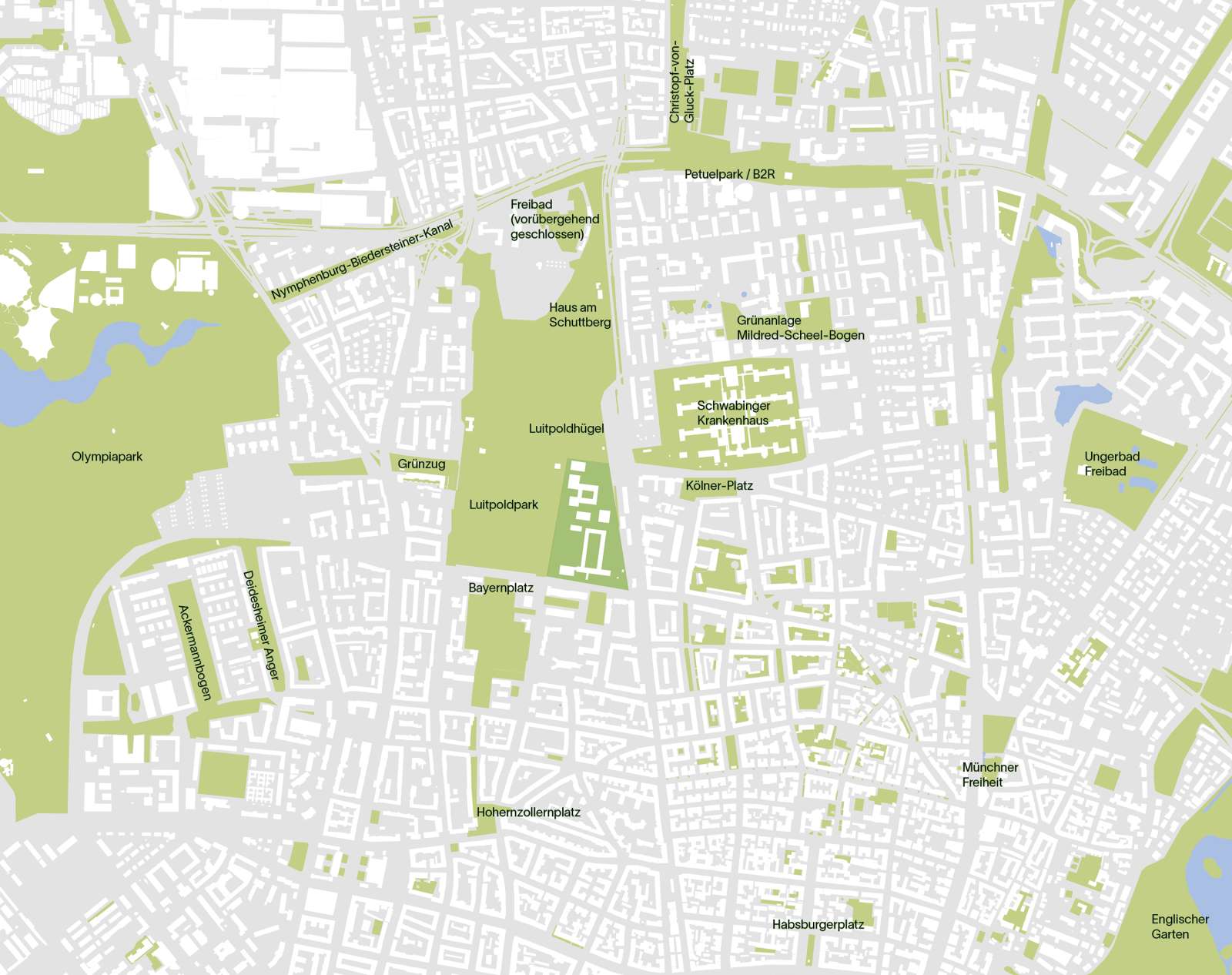
Green areas: Luitpoldpark and the surrounding area
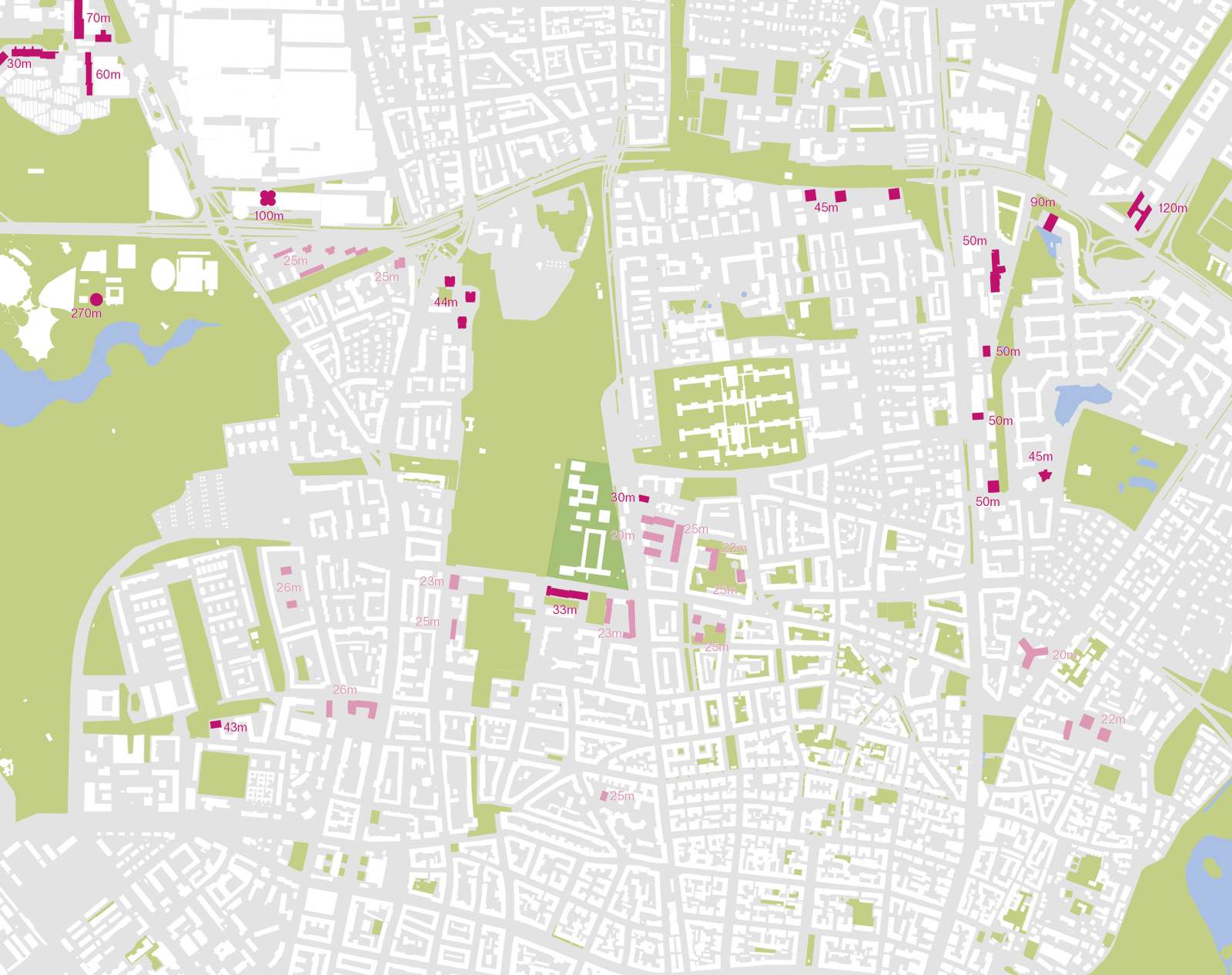
Tall Buildings
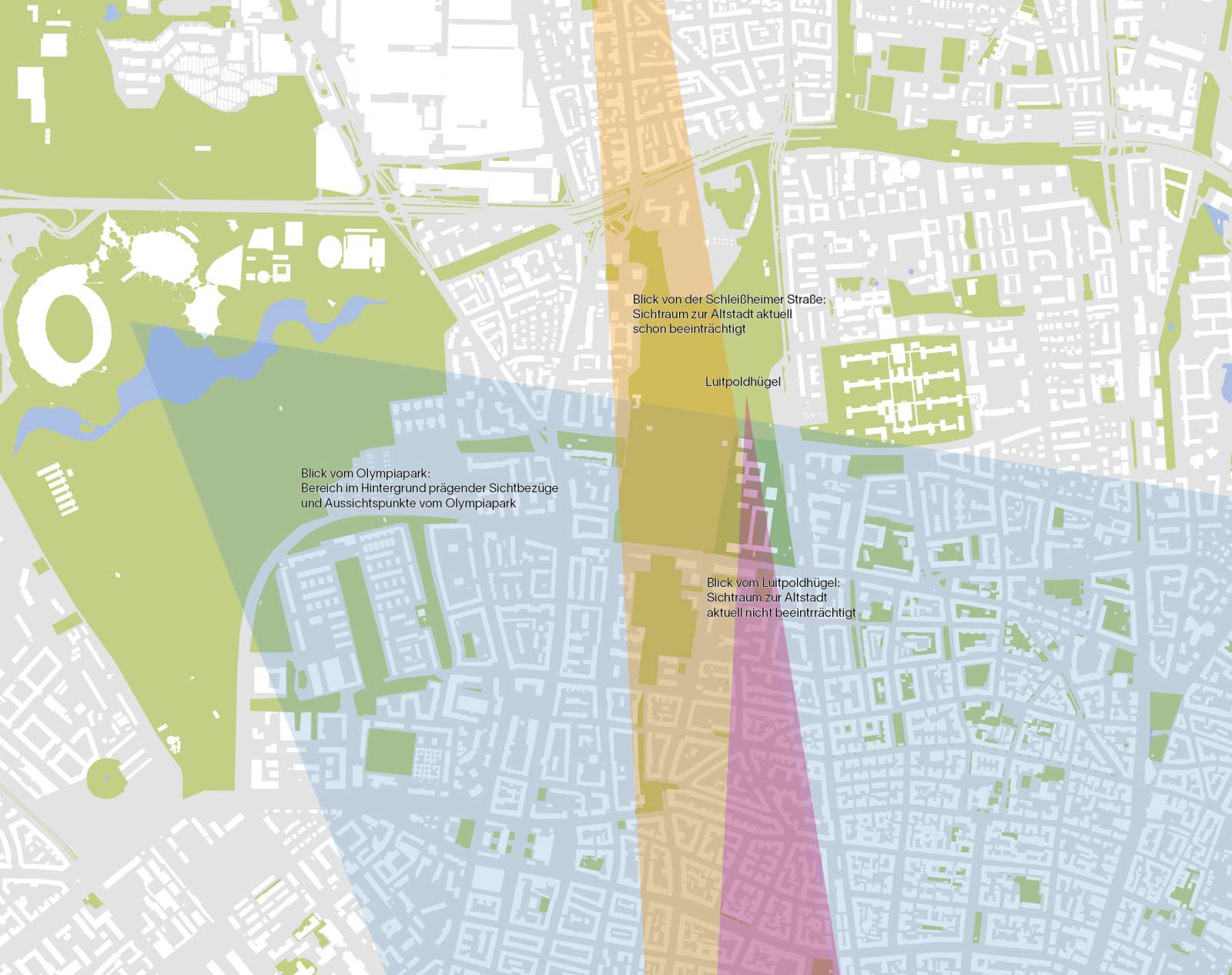
Visual relationships
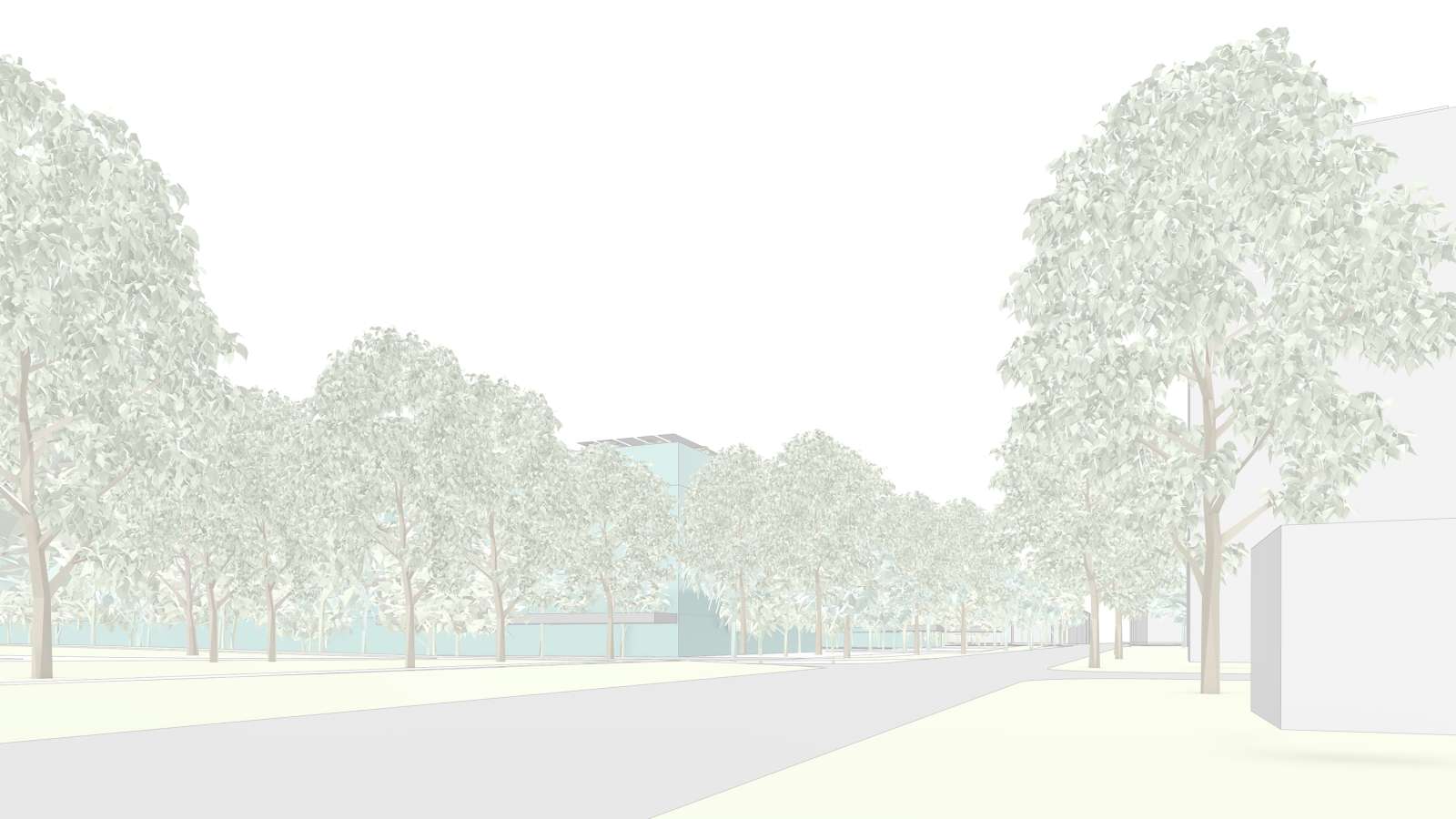
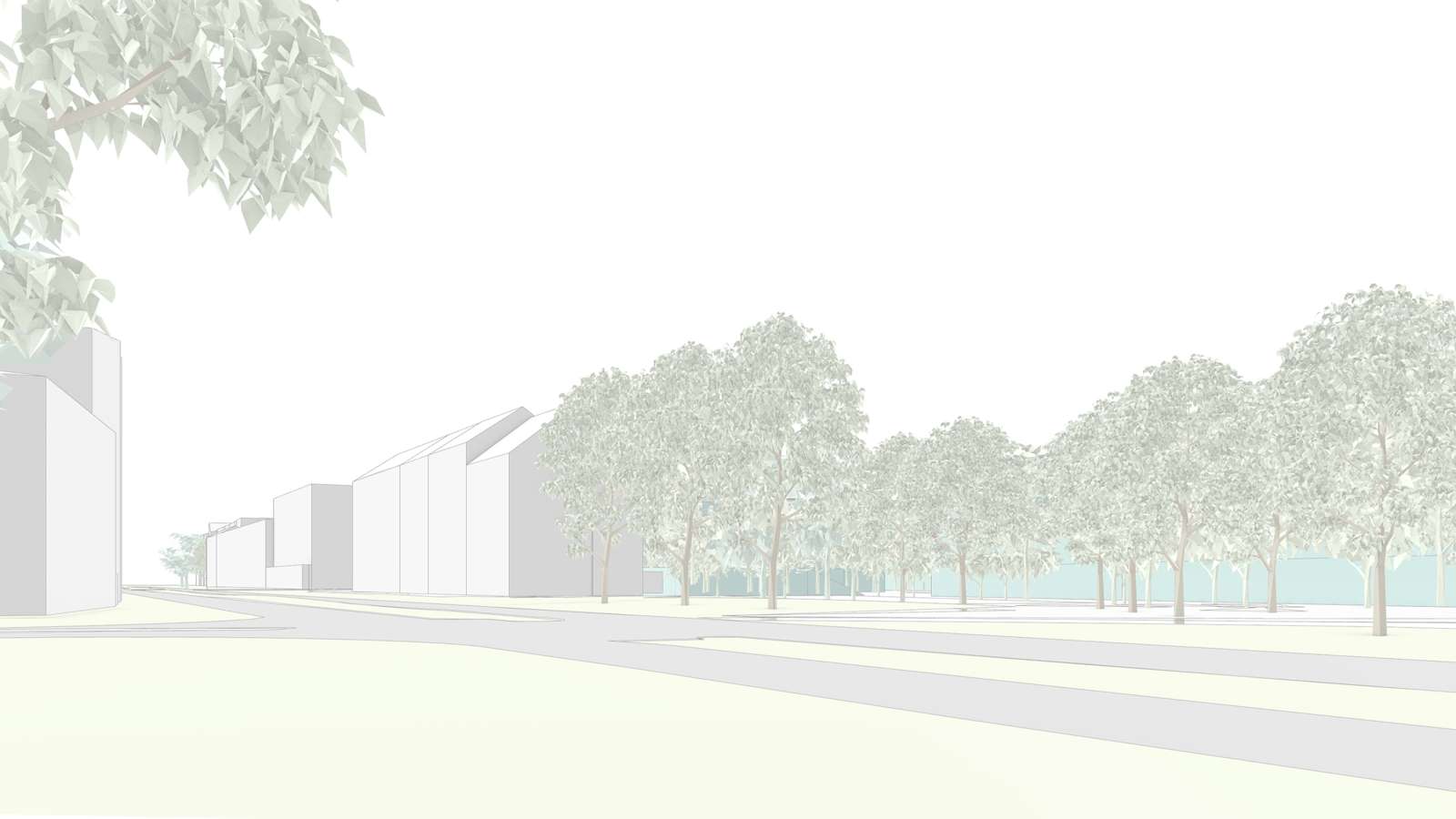
Variante 'In the Park': Center of campus with a view along the sports hall (left) to the south of the schools and the campus building
Variante 'As Park': Perspective sketch of the center of the campus looking west towards the park
Site Plan Variants
Concept Variants
Tree Variants
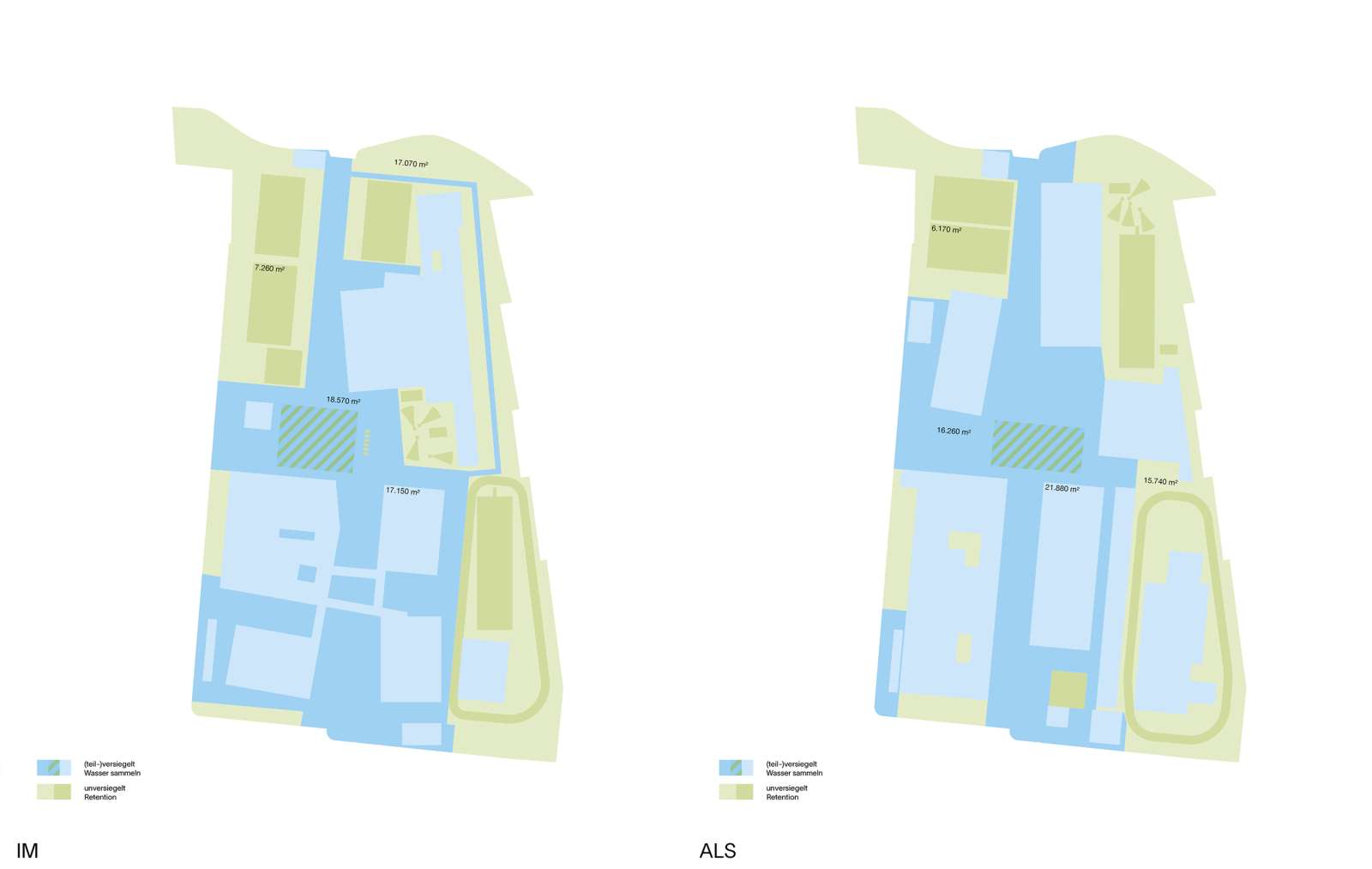
Surfaces Variants
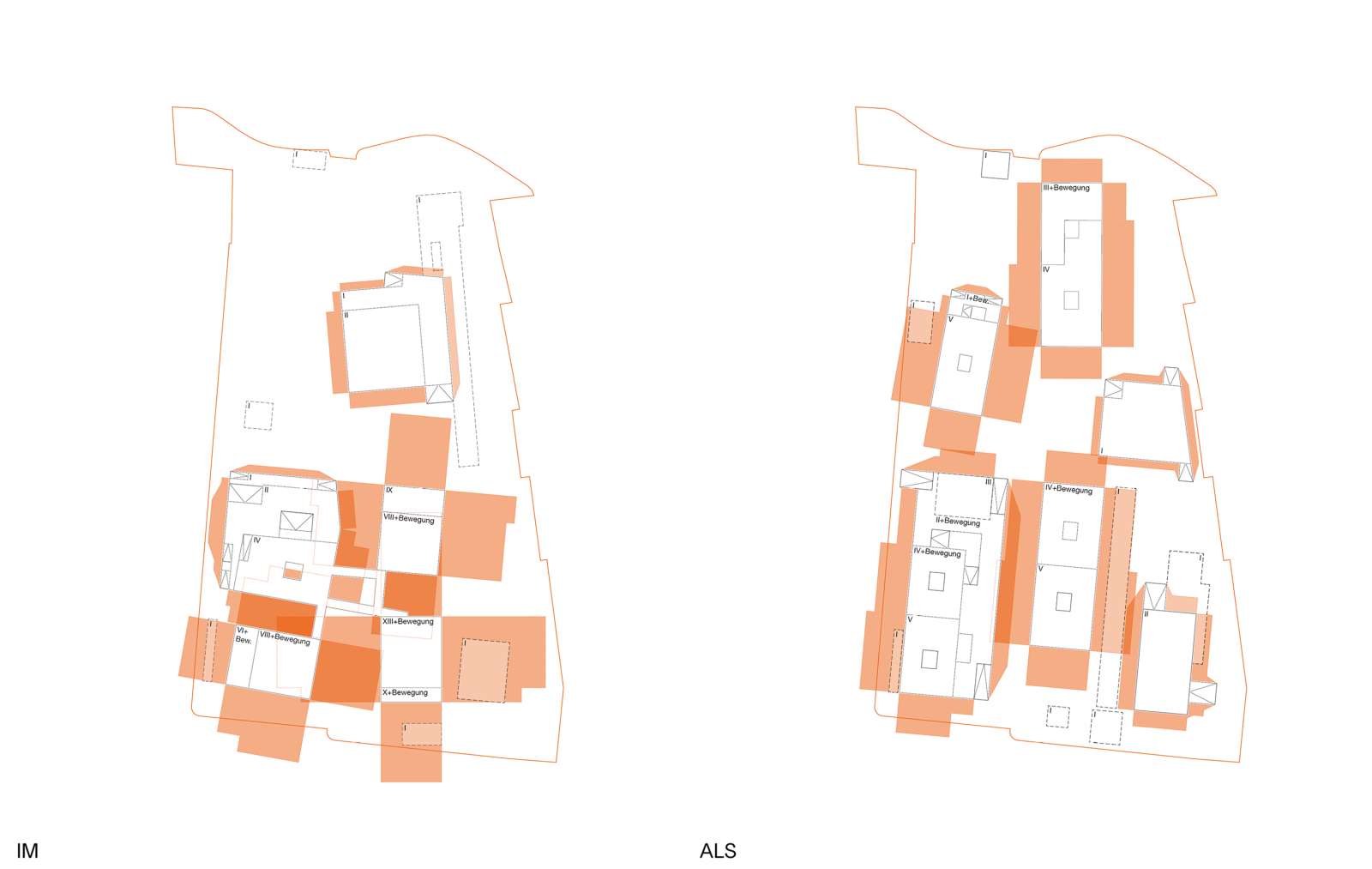
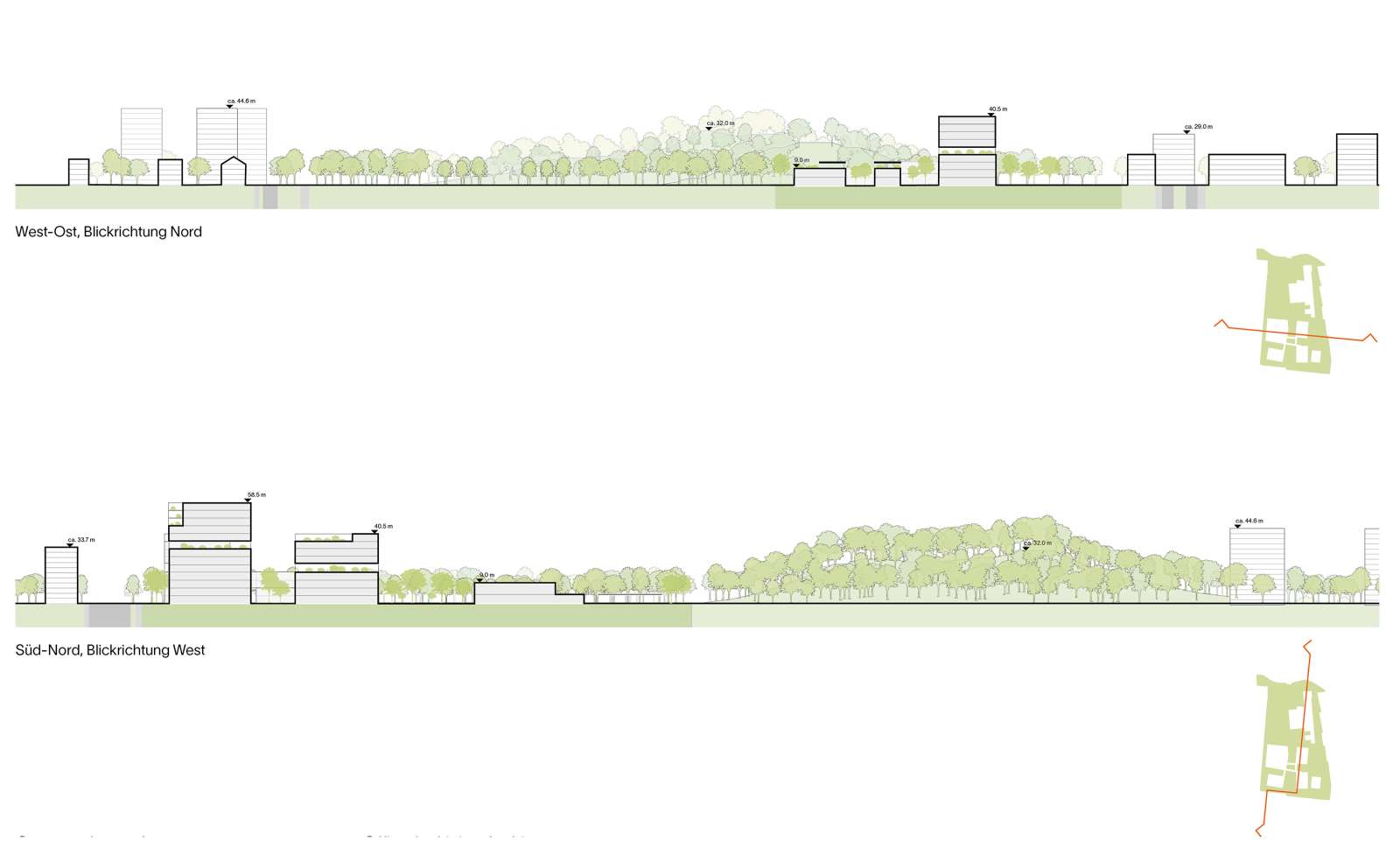
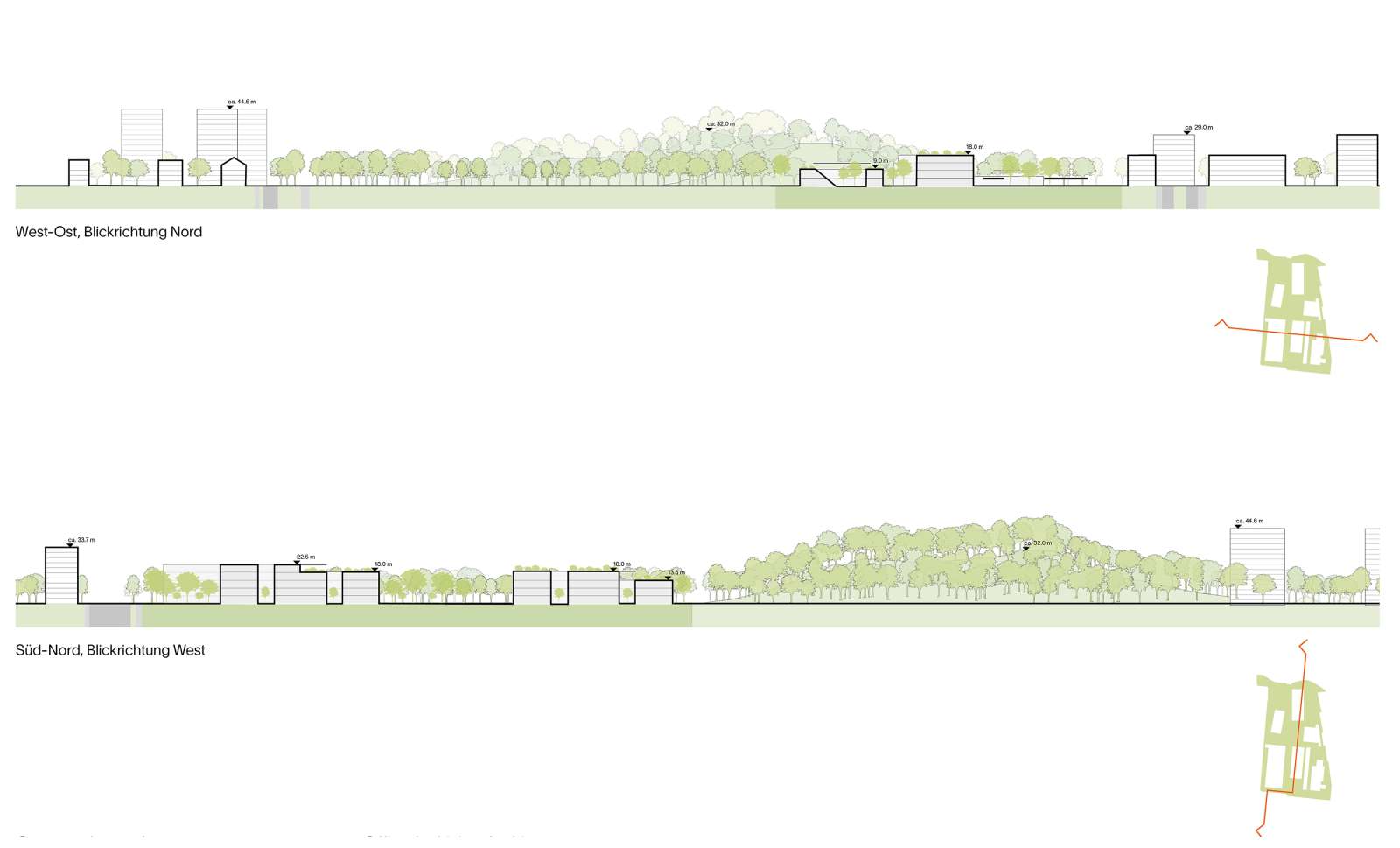
Spacing (ratio distance/height: 1,0)
Cold Air Ventilation
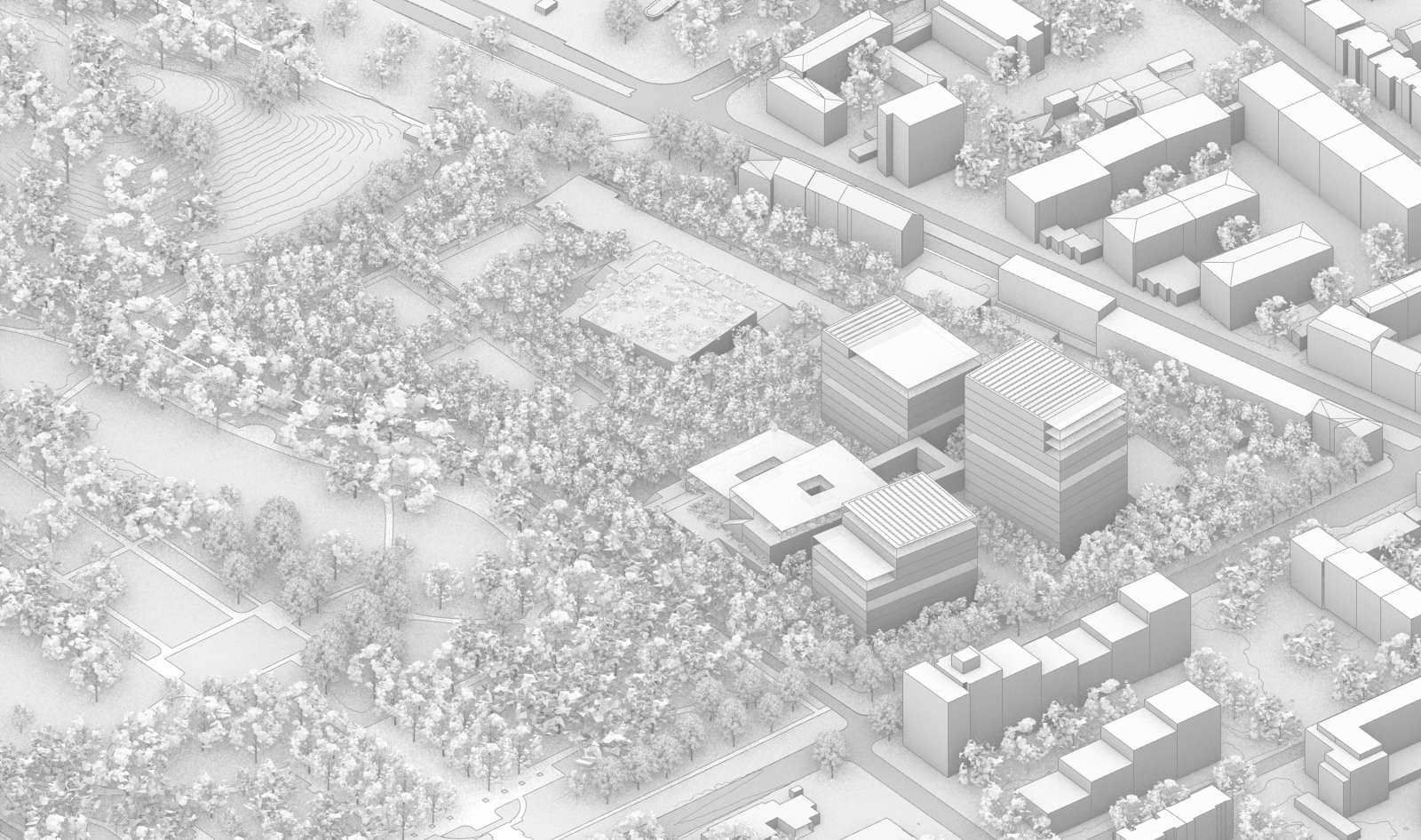
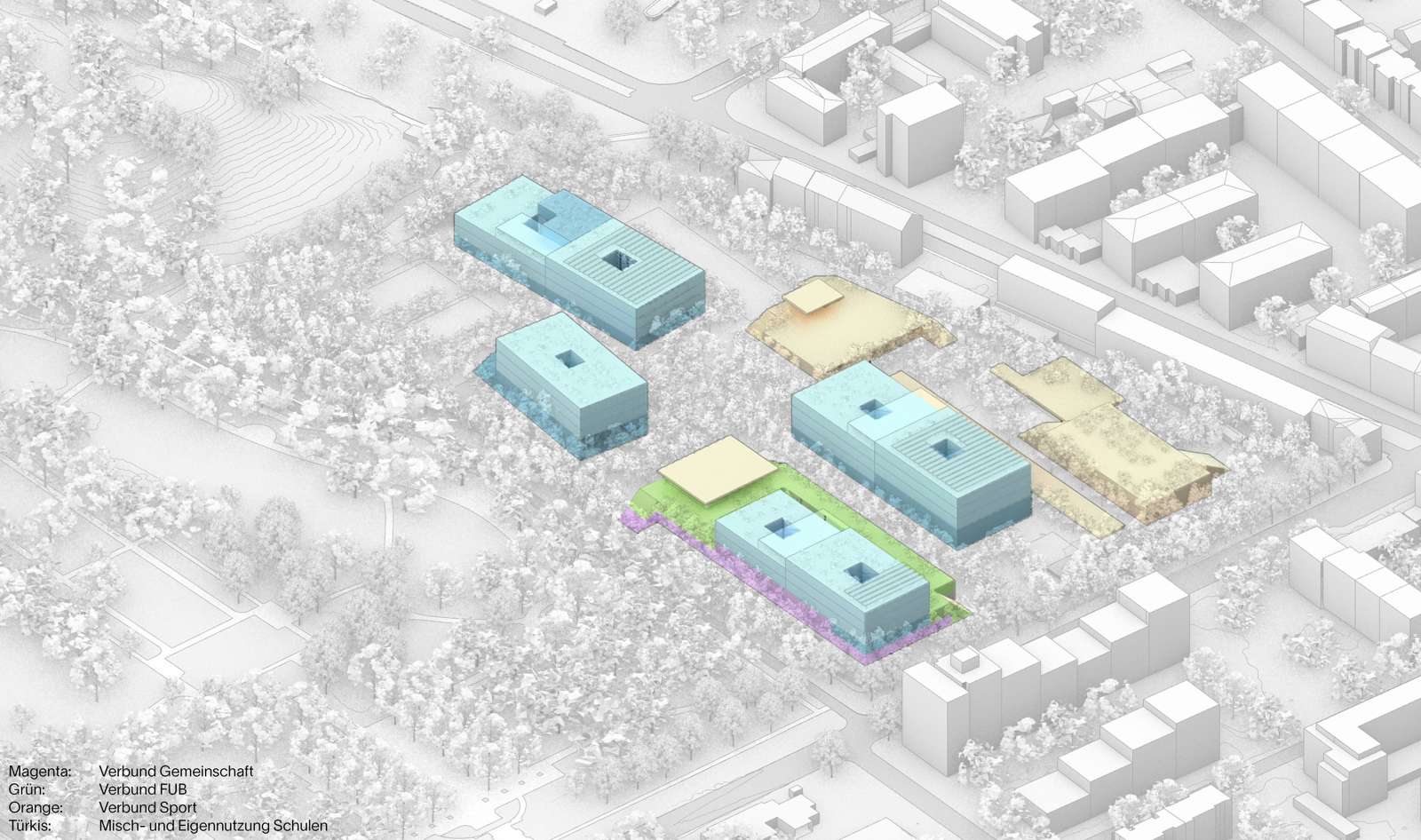
Variant 'In the Park' : Axonometric
Variant 'In the Park': Axonometric programme distribution
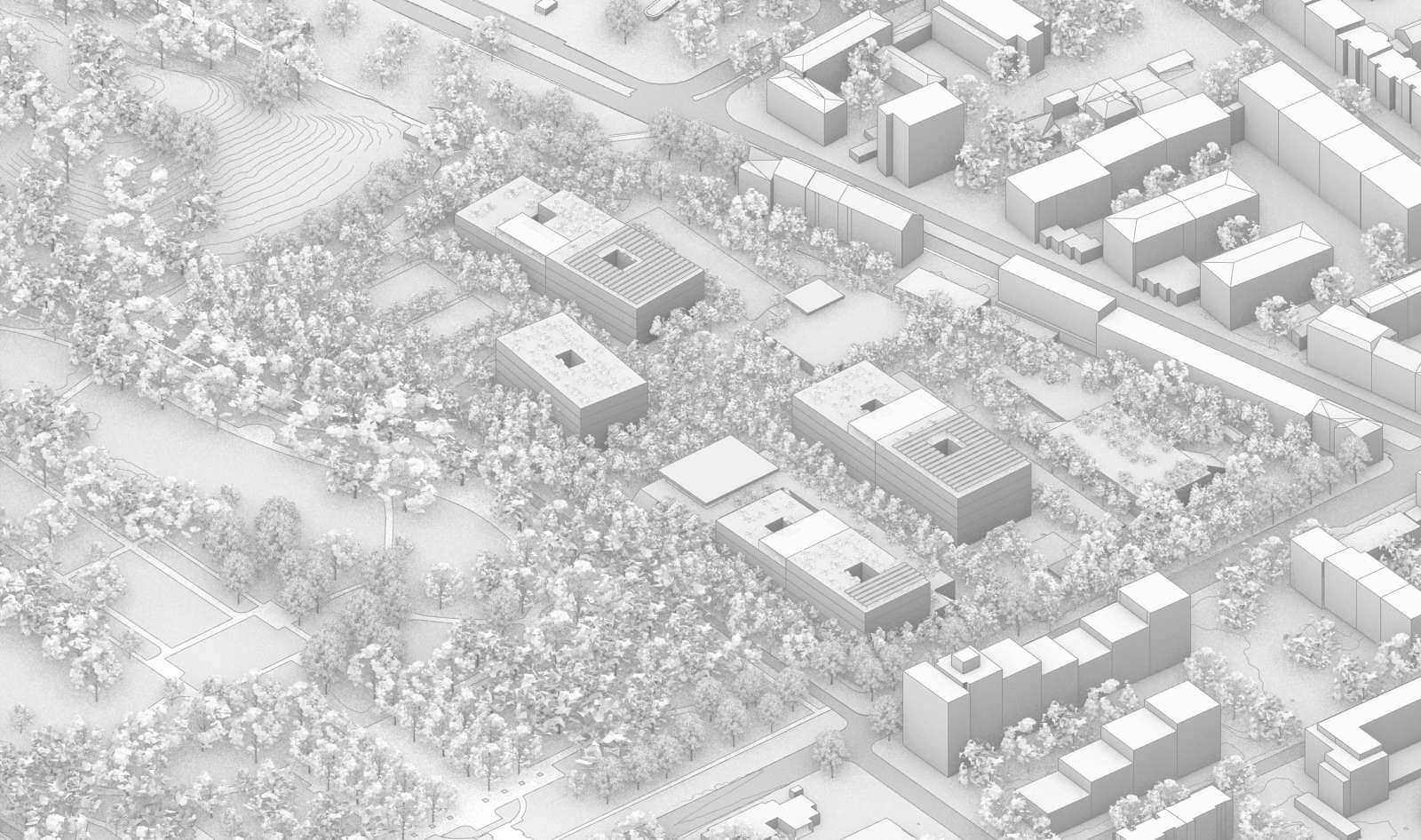
Variant 'As Park': Axonometric
Variant 'As Park': Axonometric programme distribution
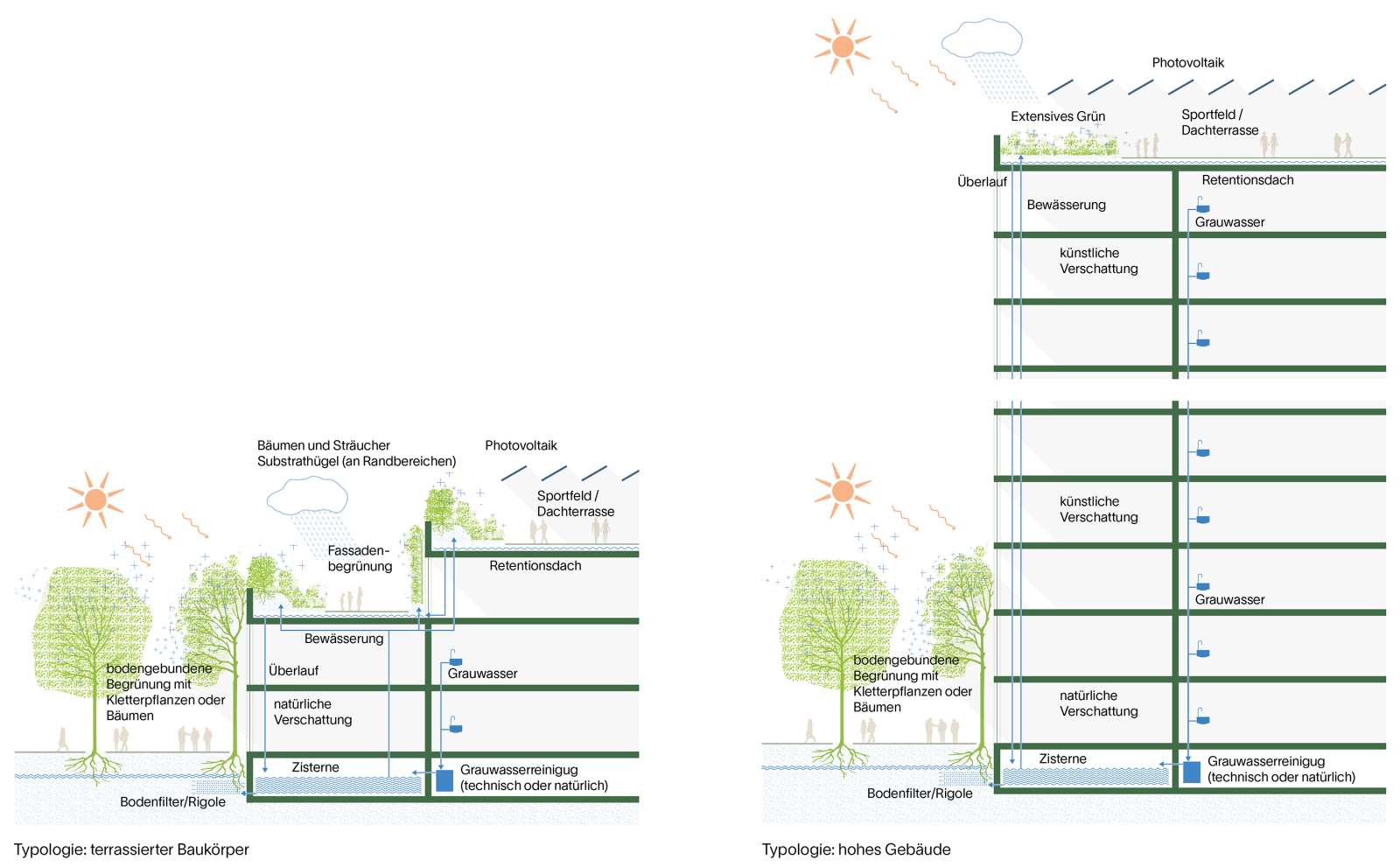
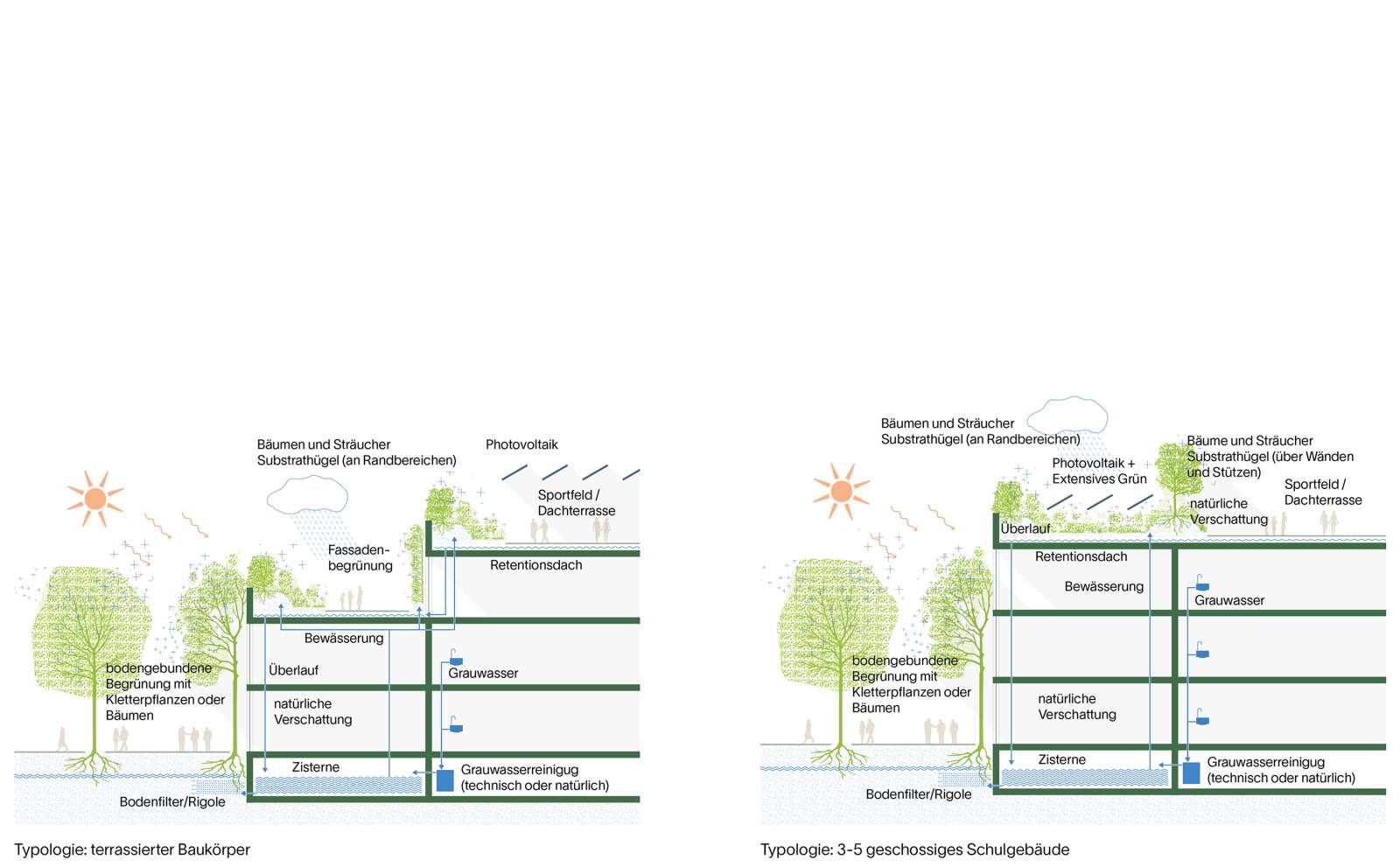
Variante 'In the Park': Blue-Green Infrastructure diagram
Variante 'As Park': Blue-Green Infrastructure diagram
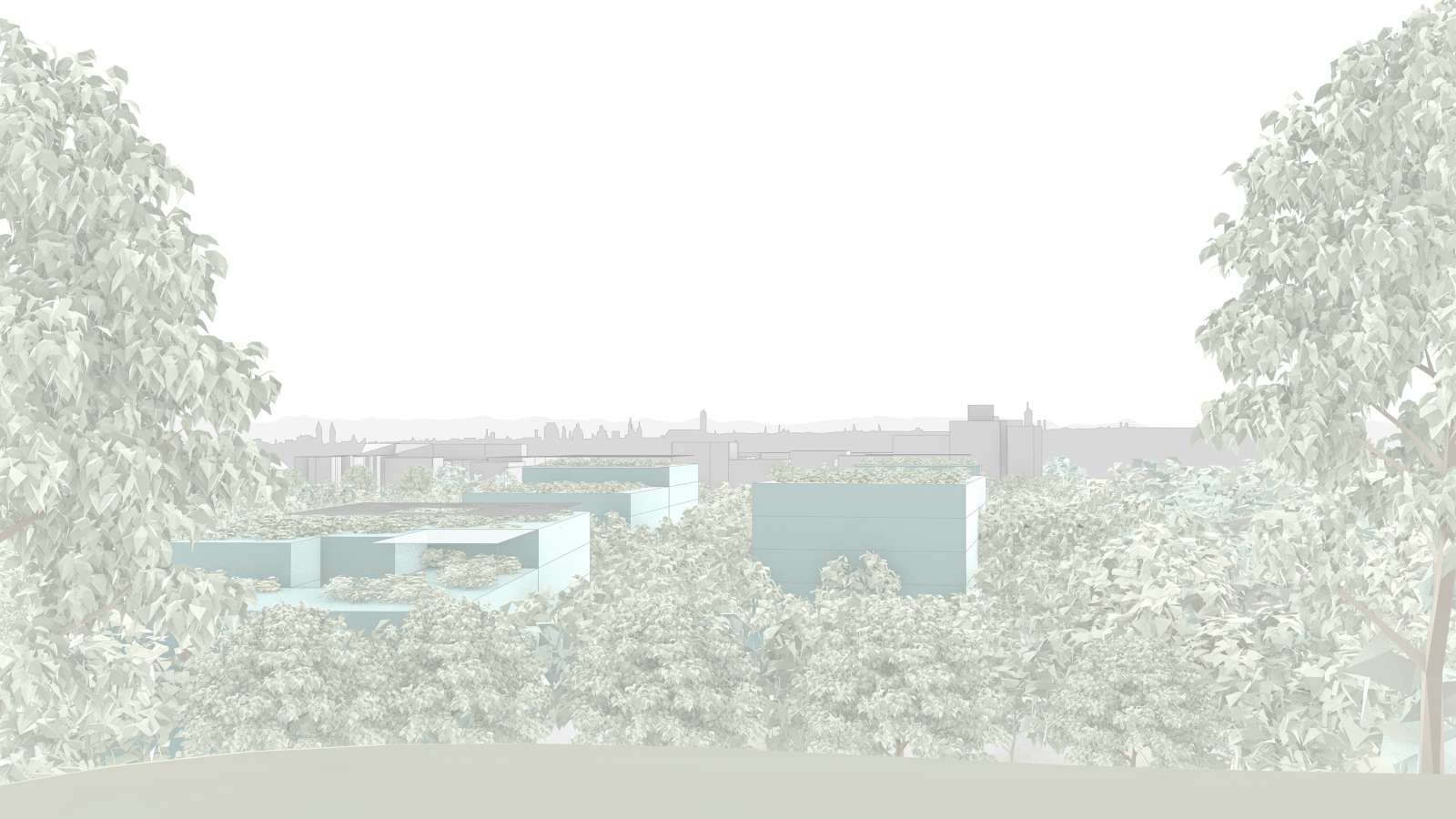
Variant 'In the Park': Sketch view from Luitpold Hill
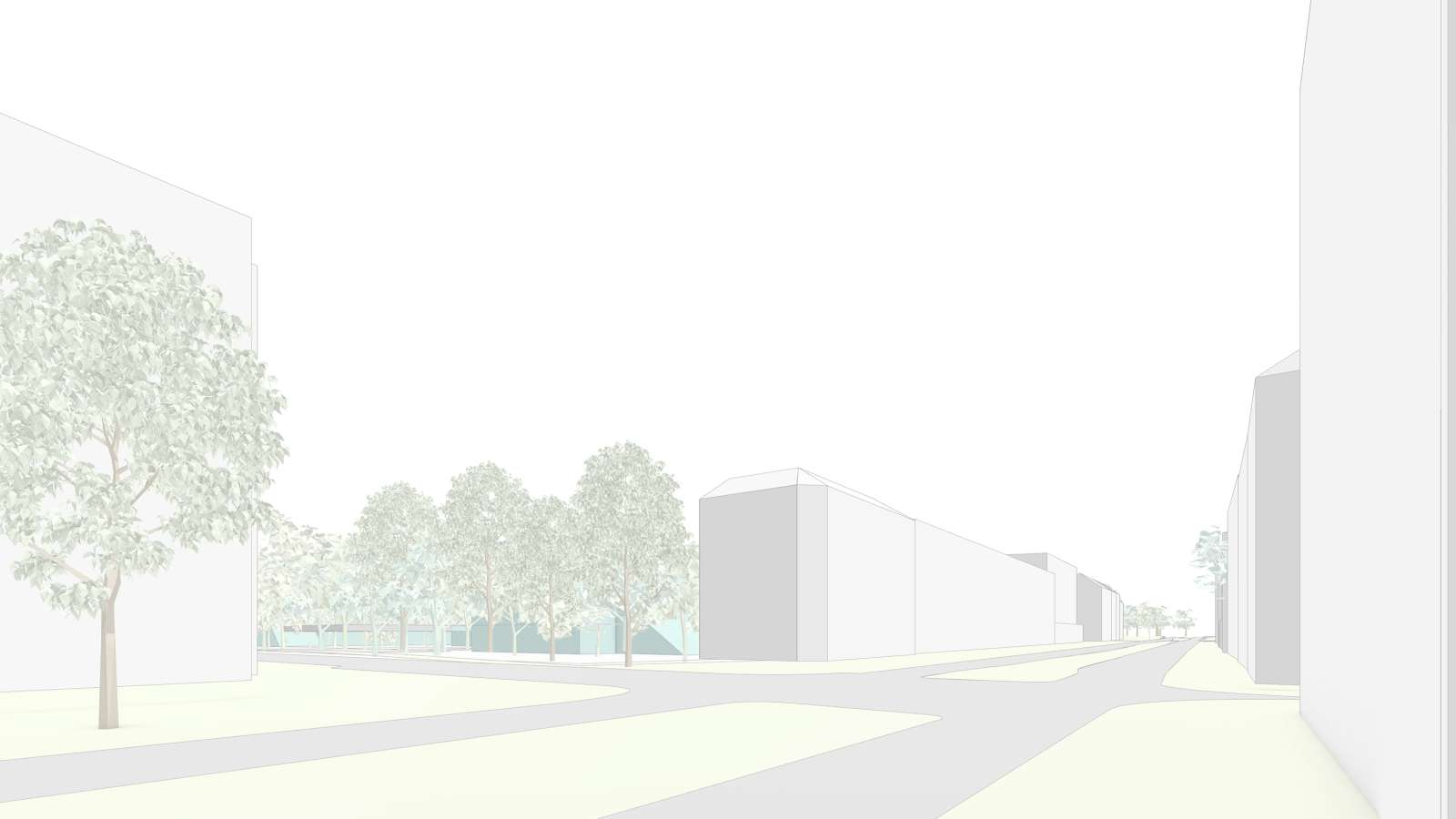
Variant 'In the Park': View from Belgrade Street
Variant 'In the Park': View from Karl-Theodor Street
Variant 'In the Park': View from Scheidplatz train station
Variant 'In the Park': View from Luitpoldpark
Variant 'In the Park': View from Olympic Park
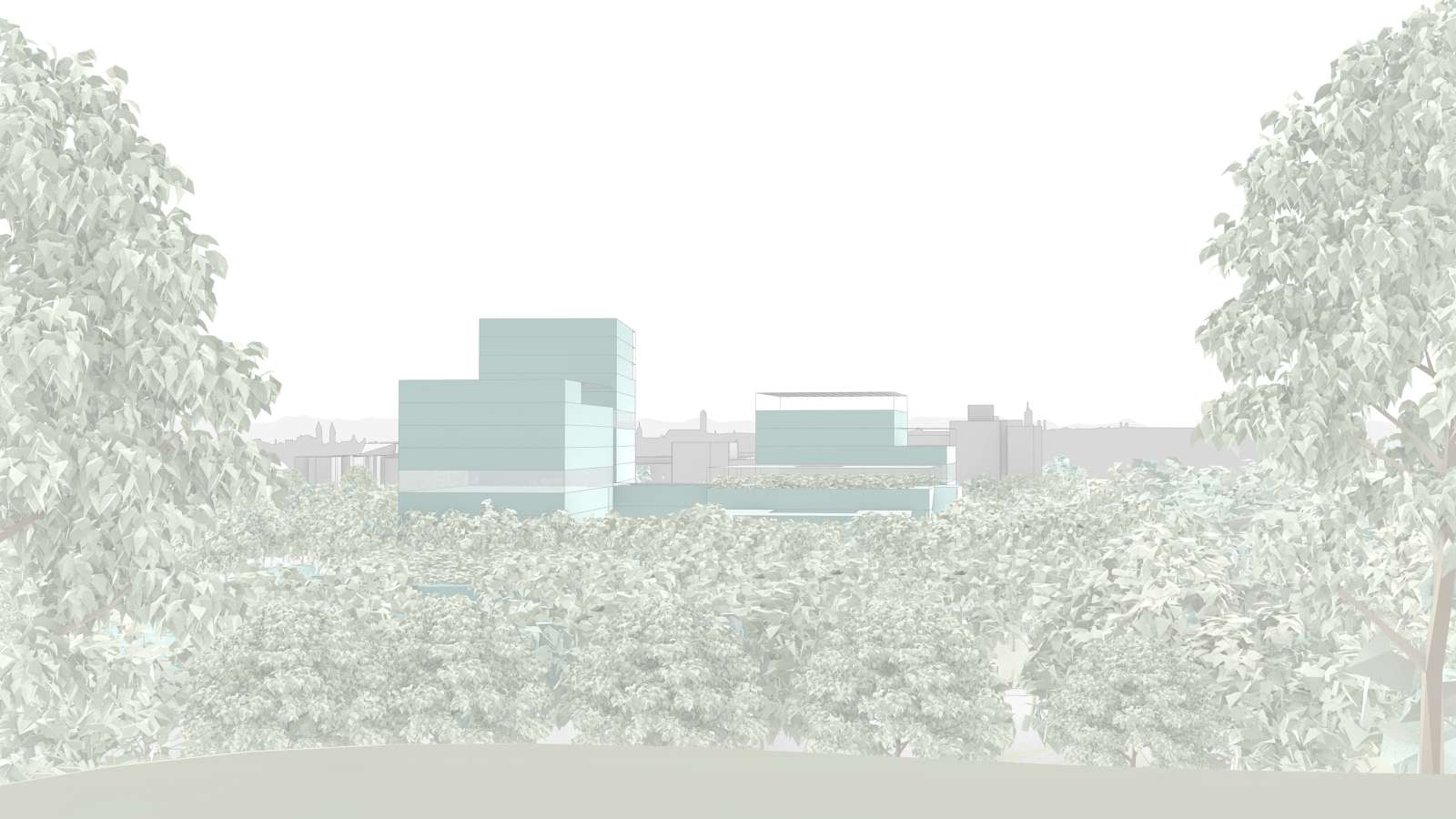
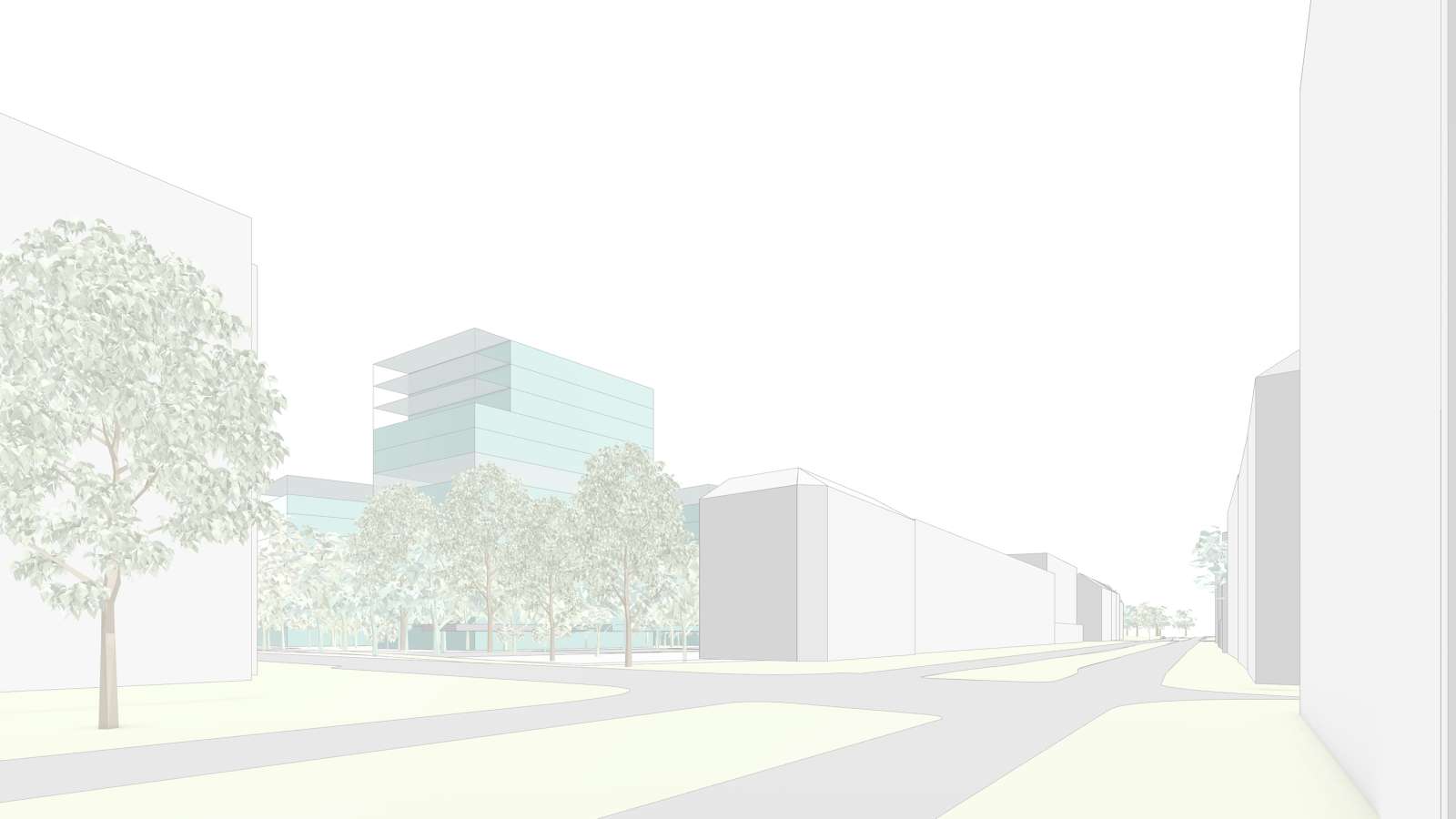
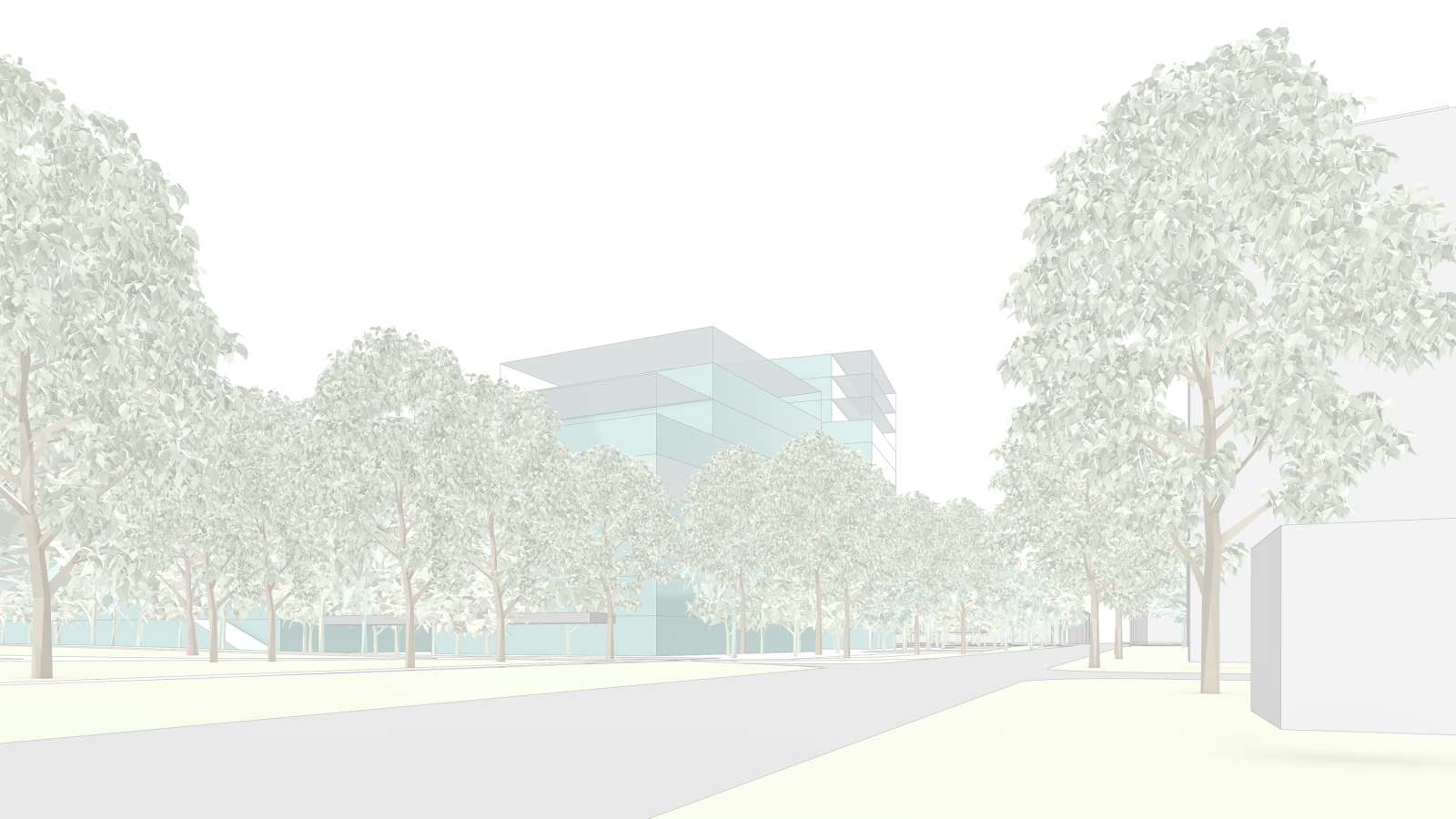
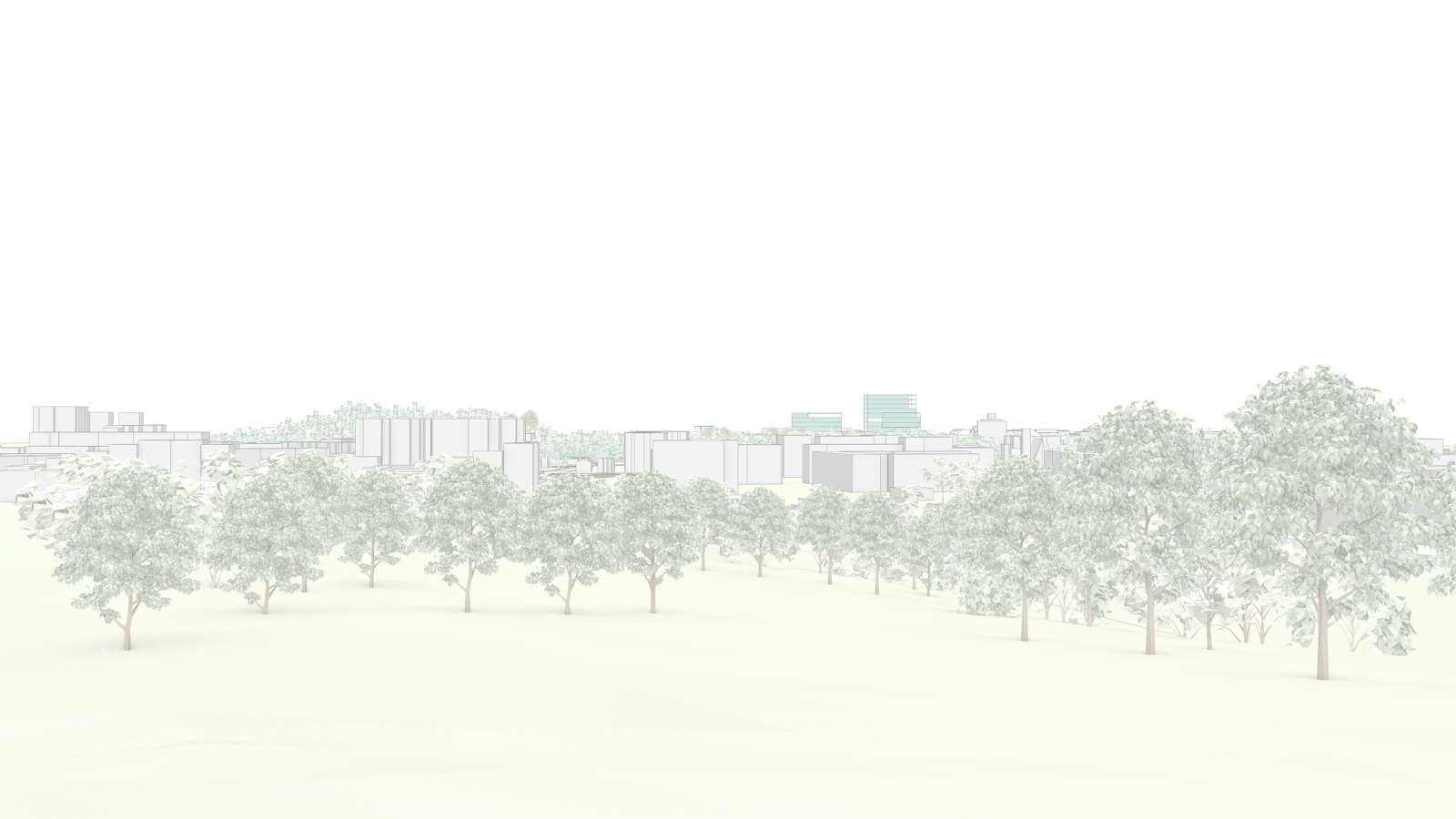
Variant 'As Park': Sketch view from Luitpold Hill
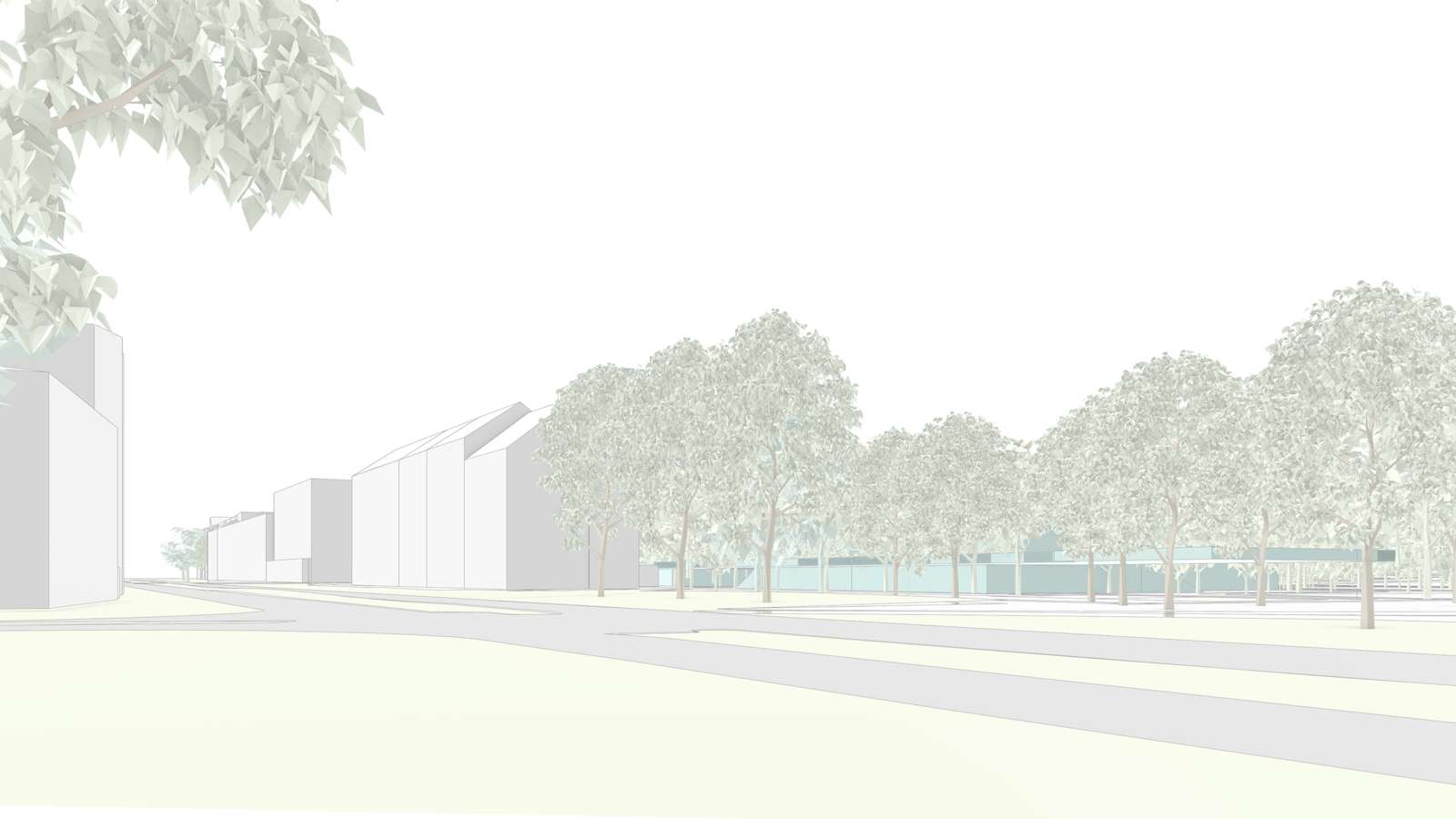
Variant 'As Park': View from Belgrade Street
Variant 'As Park': View from Karl-Theodor Street
Variant 'As Park': View from Scheidplatz train station
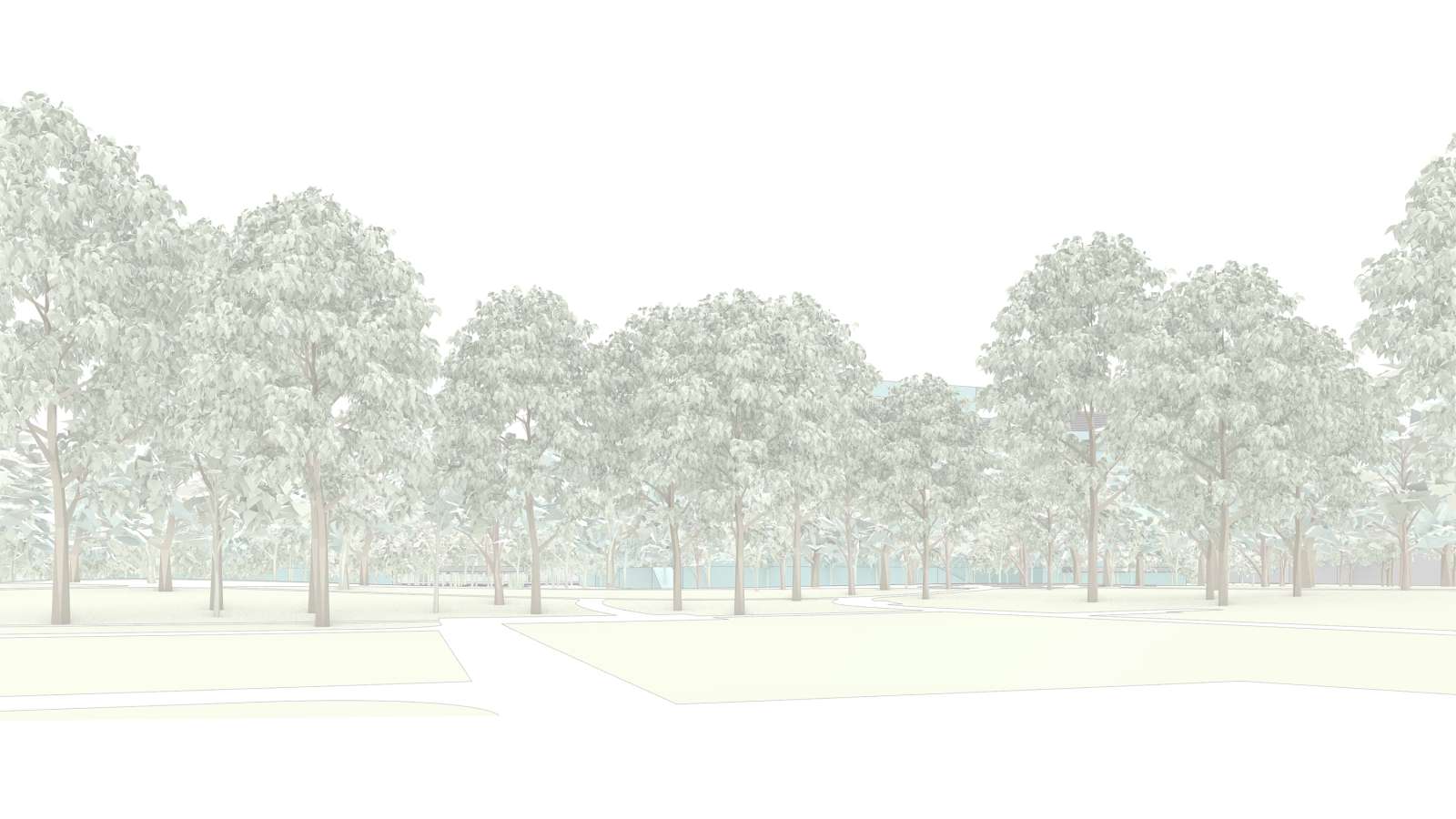
Variant 'As Park': View from Luitpoldpark
Variant 'As Park': View from Olympic Park